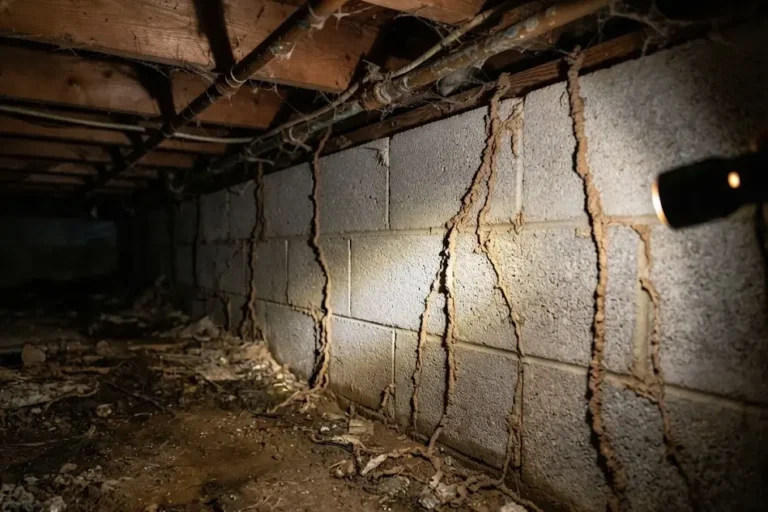
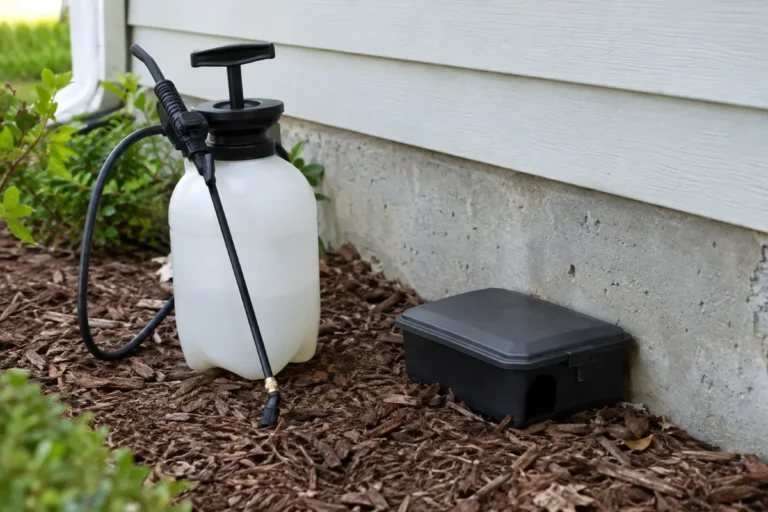
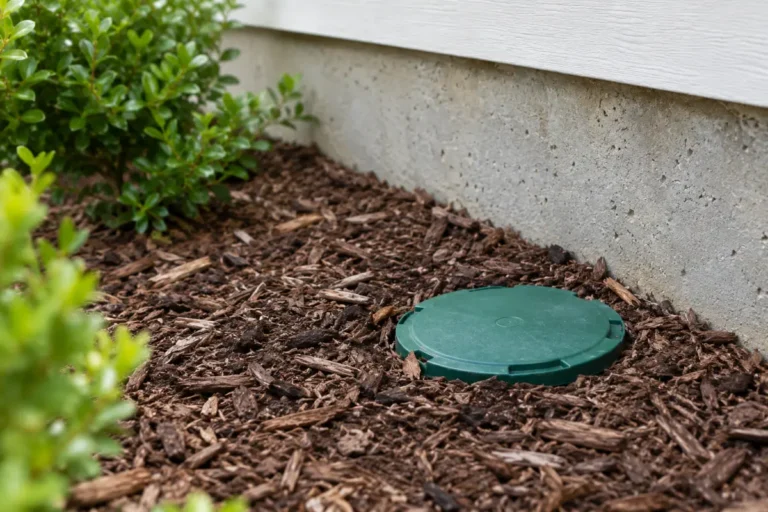
$250 – $15,000Does homeowners insurance cover termite damage? Almost never: standard policies treat termite damage as a maintenance problem the owner is expected to prevent, so neither the repairs nor the extermination are usually paid for (NAIC; Triple-I; Texas Department of Insurance). The range above is what repairing termite damage typically costs in 2026 across three cost guides, from patching cosmetic damage to replacing beams and load-bearing walls, and major structural jobs can run higher (HomeGuide; Angi). Treatment comes on top, so in most cases the whole bill is yours.
There are narrow exceptions, written into some policy forms, and there are two products that can pay where insurance won’t: a termite bond from a pest control company and, less often, a home warranty add-on. This guide sets out what each one usually covers, what the repairs and the treatment cost, how to document damage and challenge a decision, and how to keep termites out. It explains how coverage generally works according to state regulators and published guides; it is not legal advice, and the wording of your own policy or contract decides your case.
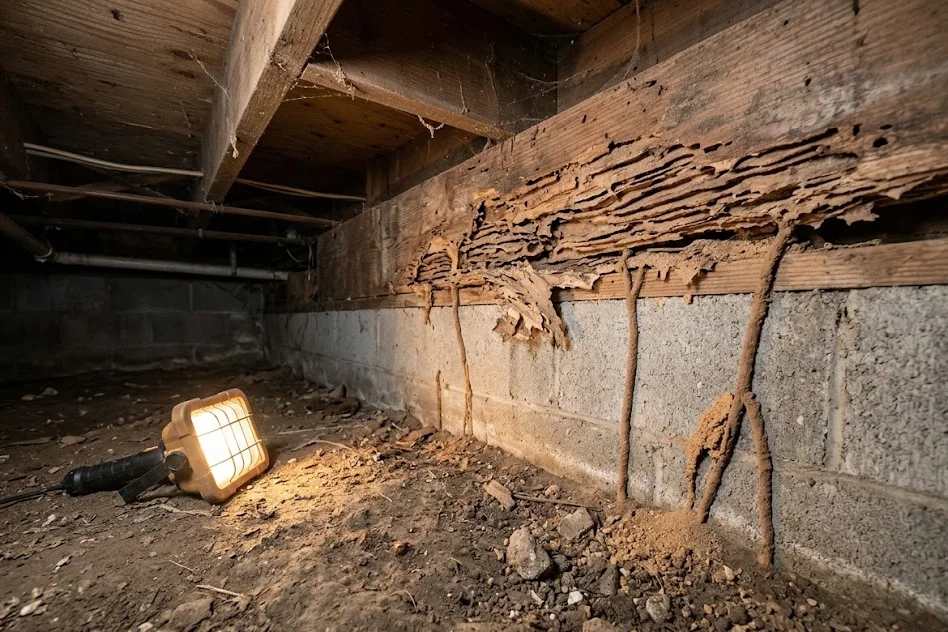
What termite damage repair costs if you pay it yourself
| Repair | HomeGuide (Nov 2025) | Angi (Mar 2026) | Forbes Home (Oct 2024, older guide) |
|---|---|---|---|
| Minor or small-scale damage | $300 – $2,000 (drywall, paint, other cosmetic repairs) | $250 – $1,000 (a few damaged boards or joists) | $250 – $1,000 (damaged boards or floor joists) |
| Moderate or medium-scale damage | $2,000 – $5,000 (framing, subfloor, one support beam) | $1,000 – $3,000 (walls, flooring or framing) | $1,000 – $3,000 (non-structural floors, walls or framing) |
| Major structural damage | $5,000 – $15,000+ (floors, load-bearing walls, several beams) | $3,000 – $10,000+ (beams and load-bearing walls) | $3,000 – $8,000 (load-bearing walls or beams) |
| Average job | — | $3,000 | $3,000 |
| Replacing a damaged beam | $2,000 – $5,000 per beam | $1,500 – $5,000 each | $1,500 – $4,000 each |
| Drywall | $200 – $400 to patch holes; $500 – $2,500 to replace a wall | $60 – $200 per small hole | $60 – $140 per hole |
| Structural engineer’s assessment | $350 – $900 | $553 on average | $530 on average |
The guides agree on small jobs and on the average, but not on where “major” starts: Angi and Forbes Home begin the top tier at $3,000, HomeGuide at $5,000, and HomeGuide’s top tier runs to $15,000 or more. Line items explain why big jobs climb. HomeGuide prices wood framing repair at $11 to $30 per linear foot, subfloor repair at $500 to $2,000 or more, sagging floor repair at $2,000 to $7,000, siding replacement at $4 to $13 per square foot and electrical repairs at $150 to $600, and notes that most contractors charge a minimum of $100 to $200 (HomeGuide). If termites reached the siding, our guide to siding replacement cost has the full breakdown.
Our estimate: the $250 – $15,000 headline runs from the lowest small-job figure (Angi and Forbes Home) to the highest major-damage figure (HomeGuide) in the table above. It is a span of published figures, not a measured price, it excludes treatment, and HomeGuide and Angi both say major structural repairs can cost more.
Estimate your termite damage bill
Our estimate: the published ranges above multiplied out for your inputs. Not a quote. Repair ranges from HomeGuide (Nov 2025), Angi (Mar 2026) and Forbes Home (Oct 2024, older guide); treatment, inspection, engineer and bond ranges from HomeGuide (Nov 2025), This Old House (Jun 2026) and Angi (Dec 2025). Standard homeowners policies usually pay none of this, so the total is what you would likely pay yourself. Pick one treatment. Major damage can cost more than the top figure. State adjustment: BLS construction wages (May 2025), applied to an assumed 50% labor share. How we calculate
Our estimate: each damage level in the calculator spans the lowest low and the highest high of the three repair guides for that tier (for example, moderate damage runs from Angi’s and Forbes Home’s $1,000 to HomeGuide’s $5,000). Treatment ranges are combined the same way from the treatment table further down. Take moderate damage treated with a liquid soil barrier after an inspection: $1,150 to $7,325 in total. These are spans of published figures, not quotes.
Why homeowners insurance excludes termite damage
Regulators and the industry say the same thing. The National Association of Insurance Commissioners lists infestations among the things a home policy leaves out: damage caused by termites, rats or other infestations is not typically covered (NAIC). The Insurance Information Institute puts it under maintenance: it is your responsibility to maintain your home, and a policy will not cover damage due to lack of maintenance, mold or infestation from termites or other pests (Triple-I). The Texas Department of Insurance is blunter: if rodents and insects chew on your house, your policy won’t pay for the repairs (Texas Department of Insurance). In Florida, the agriculture department, which licenses pest control companies, states that homeowners insurance does not cover termite damage and recommends hiring a licensed company to inspect and treat instead (Florida Department of Agriculture and Consumer Services).
The reason is in the policy wording. The standard HO-3 “special form” published as a sample by the Insurance Information Institute lists, among the causes of loss it does not insure, wear and tear, deterioration, and “birds, vermin, rodents, or insects” (ISO HO 00 03 10 00 sample policy, older form). Insurers see termite damage as gradual and preventable rather than sudden and accidental (NerdWallet), and Insurance.com notes that you cannot add standard termite damage coverage to a homeowners policy (Insurance.com). The treatment is not covered either (HomeGuide).
| Situation | Standard home policy | Source |
|---|---|---|
| Termites eat framing, floors, trim or siding | Not covered | NAIC; Texas DOI |
| Extermination, treatment and prevention | Not covered: treated as routine maintenance | Experian; Insurance.com |
| Termites chew wiring and start a fire | The fire damage may be covered, because fire is a covered peril | Experian; NerdWallet |
| Part of the house abruptly collapses from hidden termite damage you didn’t know about | May be covered under the collapse coverage of some policy forms | ISO sample HO-3; NerdWallet |
| Signs of termite damage were visible and left alone before a collapse | Not covered | NerdWallet |
| A covered event, such as a burst pipe or storm-damaged siding, invites termites | The covered damage may be paid; the termite damage itself likely not, and a long delay can be treated as neglect | Experian; Insurance.com |
The rare exceptions: collapse and resulting damage
The best-known exception is collapse. In the sample HO-3 form, an additional coverage pays for direct physical loss involving the collapse of a building, or part of one, when the collapse is caused by “insect or vermin damage that is hidden from view,” unless an insured knew about the damage before the collapse. The same form defines collapse narrowly: an abrupt falling down or caving in that leaves the building, or that part of it, unusable for its current purpose. A building that is in danger of falling down, or that shows cracking, bulging, sagging, bending or leaning, is not in a state of collapse, and the coverage does not raise the policy’s limit (ISO sample HO-3). NerdWallet gives the practical version: if a roof abruptly caves in from termite damage you can show was hidden, the insurer may pay; if there were signs you didn’t address, it won’t (NerdWallet).
The second exception is damage that follows from a covered event. The sample form says that, after its list of excluded causes, any resulting (“ensuing”) loss not excluded elsewhere in the policy is covered (ISO sample HO-3). That is why a fire started by termite-damaged wiring may be paid while the chewed wood is not (Experian).
Treat both exceptions with care. The sample is an older edition of one standard form; your insurer may use a newer edition or its own wording, and the facts of each claim are judged by the insurer under that wording. NerdWallet’s advice is to assume termite damage is not covered unless your policy spells it out (NerdWallet). Read the exclusions and the “additional coverages” section of your own policy, ask your insurer to explain anything unclear (Experian), and use your state insurance department’s consumer line if you need help.
Termite bonds and warranties: what they cover
Since insurance won’t pay, the protection most homeowners rely on is a contract with a pest control company, usually called a termite bond, warranty or protection plan. A bond typically means regular inspections plus treatment if termites are found, and costs $500 to $2,000 according to both HomeGuide and This Old House. Mississippi State University Extension describes a basic annual contract as a soil-based treatment, liquid or bait stations, kept in force by an annual inspection, and warns that all contracts are different and should be read carefully (MSU Extension).
| Contract type | Re-treats new termites | Pays to repair damage |
|---|---|---|
| Retreatment only | Yes, at no extra charge if the contract terms are met | No: repairing old or new damage is the owner’s job |
| Retreatment and repair | Yes | New damage that occurs after the treatment or effective date, within the contract’s terms and limits |
| No warranty (for example, a one-time spot treatment) | No | No |
The repair promise is narrower than it sounds. Insurance.com notes that most termite warranties pay only for retreatment, not for repairs, and suggests asking specifically for a retreat-and-repair warranty (Insurance.com). A University of Georgia extension entomologist explains the catch: “new” damage means damage documented to have happened since the first treatment, you can’t date damage by looking at it, so a repair claim usually requires live termites at the damaged spot, and a photo or video helps prove it (UGA Extension, older guide, 2004). Florida law adds two consumer protections: any disclaimers, limitations, conditions or exclusions on the duty to repair or re-treat must be flagged in bold on the first page, and a contract with such limits may not call its guarantee “full” or “unlimited” (Florida Statutes 482.227).
Bonds also lapse. University of Georgia Extension notes that contracts usually renew yearly and most companies may cancel if the renewal fee is not paid on time (UGA Extension, older guide). After flooding, North Carolina’s agriculture department warned that eroded or buried soil can undo a liquid treatment, that some warranties let the company charge for the retreatment while many do not, and that homeowners insurance may cover some or all of restoring the treatment, so owners should check with their agent (NCDA&CS, older release, October 2024).
Home warranties and termites
A home warranty is a service contract, not insurance. Florida’s Department of Financial Services describes it as protection against the cost of repairing or replacing structural components or appliances that fail from normal wear and tear or a defect; contracts sold there must print their exclusions in bold and say on the front page that certain items and events are not covered (Florida DFS). Termites rarely fit. ConsumerAffairs reports that most home warranty companies do not cover termite damage; a few sell termite control as a paid add-on, and even then it usually covers extermination rather than repairs. Where it is offered, it may apply only to the main house, carry a payout cap, exclude infestations that existed before you signed up, or cover only certain kinds of termites (ConsumerAffairs).
What treatment adds to the bill
| Item | HomeGuide (Nov 2025) | This Old House (Jun 2026) | Angi (Dec 2025) |
|---|---|---|---|
| Liquid soil treatment | $500 – $2,000+ whole home ($3 – $20 per linear ft) | $150 – $1,500 (pesticide spray) | $3 – $16 per linear ft |
| Bait station system | $1,000 – $2,500 ($7 – $12 per linear ft) | $400 – $3,000 | $8 – $12 per linear ft |
| Tent fumigation | $2,000 – $8,000 ($1 – $4 per sq ft) | $1,500 – $5,000 | $1,200 – $2,500+ |
| Spot treatment | $6 – $8 per sq ft | $350 – $1,000 | — |
| Termite inspection | $0 – $250 | $75 – $325 | — |
| Termite bond | $500 – $2,000 | $500 – $2,000 | — |
| Yearly monitoring or treatment plan | $200 – $400 (bait monitoring) | — | $200 – $400 |
The guides agree on bonds and on per-foot bait prices, and differ most on whole-house liquid treatment and tenting. Angi also prices by the size of the infestation: $250 to $1,200 for a small one, $400 to $1,500 for a medium one and $1,200 to $3,000 for a large one (Angi). For every method, termite type and add-on, see our termite treatment cost guide; what an inspection includes and who pays for it in a home sale is in termite inspection cost, and general service plans are covered in pest control cost.
How to document termite damage and dispute a decision
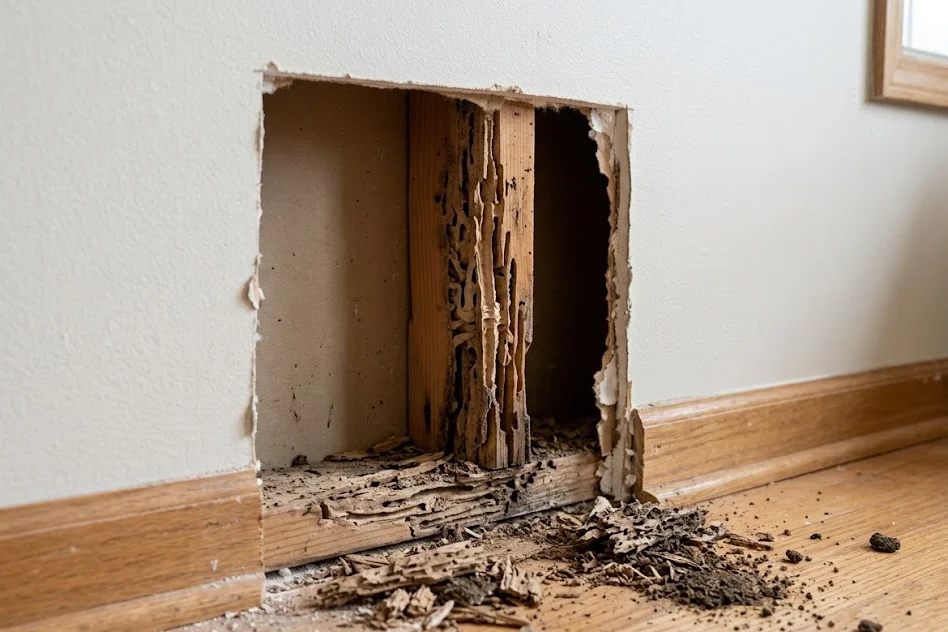
Even when a claim is unlikely to succeed, good records matter: for an insurer if the damage involves a collapse or a covered event, and for the pest control company if you hold a repair bond.
- Read the documents first. Check the exclusions and additional coverages in your policy and ask the insurer to explain anything you don’t understand (Experian). For a bond, read the terms and conditions to see whether your damage is covered (Florida Department of Agriculture and Consumer Services).
- Photograph before anything is cleaned up. Angi suggests documenting everything as soon as you notice termite activity or damage and taking photos before cleaning (Angi). For a repair bond, a photo or video of live termites at the damage helps prove the activity is new (UGA Extension, older guide).
- Keep damaged material and records. California’s regulator tells policyholders not to throw out damaged items until the adjuster says so, to keep a log of every phone call and copies of all correspondence, and to get written, line-by-line bids from licensed contractors (California Department of Insurance).
- Get the structure checked. If structural damage is likely, the same guide says the adjuster may recommend a licensed engineer (California Department of Insurance); HomeGuide puts that assessment at $350 to $900 (HomeGuide).
- Protect the house and keep receipts. A policy may not cover further damage if you didn’t take reasonable steps to secure the property; insurers reimburse reasonable temporary repairs if you keep the receipts, but don’t make extensive permanent repairs before the adjuster has assessed the damage (California Department of Insurance).
If an insurer says no, ask why in writing. In California, a denial must be in writing, give specific reasons and tell you that the Department of Insurance can review it; the department suggests raising your concerns with the claims manager first, with copies of your documents (California Department of Insurance). Texas tells policyholders who disagree to explain why and send supporting documents such as a contractor’s estimate; options then include the policy’s appraisal process for disputes over the amount, a complaint to the department, a public adjuster (who charges a fee), mediation or a lawsuit (Texas Department of Insurance). Your own state insurance department’s consumer line can tell you how the process works where you live.
Disputes with a pest control company go to a different regulator. In Florida, if the contract appears to cover your damage and the company still refuses to repair or re-treat, the agriculture department takes complaints (Florida Department of Agriculture and Consumer Services). The EPA says companies offering termite services must be licensed by your state, and that complaints about a pesticide misapplication go to your state pesticide regulatory agency (EPA).
How to prevent termite damage
Because insurers treat termites as a maintenance issue, prevention is the only coverage you fully control. The EPA and Florida’s agriculture department recommend:
- Keep the soil around the foundation dry with proper grading and working gutters and downspouts (EPA); extend gutters and drains at least 1 foot from the house and point sprinklers away from it (FDACS). Our gutter installation cost guide prices that work.
- Fix leaks immediately and keep vents free of blockage, including plants (EPA). A damp crawl space can be dried at the source; see crawl space encapsulation cost.
- Fill cracks in the foundation and around utility entries with cement, grout or caulk (EPA); Florida notes termites can use cracks as thin as a credit card (FDACS).
- Remove wood-to-soil and stucco-to-soil contact, keep mulch and plants away from the foundation, and don’t disturb the termite treatment around it (FDACS).
- Don’t store firewood or wood debris next to the house, and keep trees and shrubs from growing against exposed wood (EPA).
- Have the home inspected every year by a licensed pest control company (FDACS). Mississippi State University Extension adds that termites forage mostly in the top 6 inches of soil and that termite control is not a do-it-yourself job (MSU Extension).
How to keep the bill down
- Treat before you repair. HomeGuide warns that new damage can appear within months if the infestation is not dealt with first (HomeGuide).
- Catch it early. HomeGuide says termites can do minor or moderate damage within 6 to 12 months and significant damage within 3 to 8 years (HomeGuide).
- Get detailed written estimates from at least three licensed contractors (HomeGuide).
- If a wall has to come out anyway, ask whether removing it is cheaper than rebuilding it; Angi suggests this when beam damage is limited (Angi).
- Fix moisture problems, which attract termites and make the damage worse (Angi).
- In a termite-prone area, compare a retreat-and-repair bond with a retreatment-only one before an infestation, not after (Insurance.com).
Questions to ask before you sign
- To your insurer: Does my policy include collapse coverage for hidden insect damage, and what does it require?
- To your insurer: If termite damage leads to a covered event such as a fire or a pipe failure, which part of the loss would you consider?
- To the pest control company: Is this contract retreatment only, or retreatment and repair, and what is the repair limit in dollars?
- To the pest control company: What disclaimers, exclusions and conditions apply, and what voids the contract?
- To the pest control company: What is the yearly renewal fee, and does the contract transfer if I sell the house?
- To the contractor: Will you check that the infestation has been treated before you start, and will you bring in a structural engineer if beams or joists are involved?
- To the contractor: Does your written estimate list each repair separately, and what happens if you find more hidden damage?
Sources
- National Association of Insurance Commissioners, Homeowners Insurance, undated, checked October 2026.
- Insurance Information Institute, Which disasters are covered by homeowners insurance?, undated, checked October 2026.
- Insurance Services Office, Homeowners 3 – Special Form, HO 00 03 10 00 (sample policy published by the Insurance Information Institute), 1999 copyright (older form).
- Texas Department of Insurance, Five things your home policy won’t cover, last updated April 10, 2025; What if my insurance isn’t paying enough?, last updated May 2, 2025.
- California Department of Insurance, Residential Property Claims Guide, updated February 27, 2025.
- Florida Department of Financial Services, Home Warranty Overview, undated, checked October 2026.
- Florida Department of Agriculture and Consumer Services, Termites, Formosan Termite Consumer FAQ and Subterranean Termites, undated, checked October 2026.
- The Florida Legislature, Florida Statutes, section 482.227, Guarantees and warranties, 2026 edition.
- North Carolina Department of Agriculture and Consumer Services, Homeowners should review termite treatment agreements if flooding caused substantial damage, October 16, 2024 (older release).
- U.S. Environmental Protection Agency, Termites: How to Identify and Control Them, last updated October 21, 2025.
- Mississippi State University Extension, Protect property from heavy termite swarms, May 19, 2026.
- University of Georgia Extension, What does your termite-control contract provide?, February 16, 2004 (older guide).
- NerdWallet, Does Home Insurance Cover Termite Damage?, updated June 3, 2026.
- Insurance.com, Does homeowners insurance cover termite damage?, last updated September 25, 2026.
- Experian, Does Homeowners Insurance Cover Termite Damage?, September 4, 2026.
- ConsumerAffairs, Do Home Warranties Cover Termites?, updated August 28, 2026.
- HomeGuide, How Much Does Termite Damage Repair Cost? and termite treatment cost, both November 21, 2025.
- Angi, How Much Does Termite Damage Repair Cost?, updated March 18, 2026 (archive.org copy of July 1, 2026), and termite treatment cost, updated December 4, 2025 (archive.org copy of February 13, 2026).
- This Old House, termite treatment cost, updated June 17, 2026.
- Forbes Home, How Much Does Termite Damage Repair Cost?, verified October 1, 2024 (older guide).