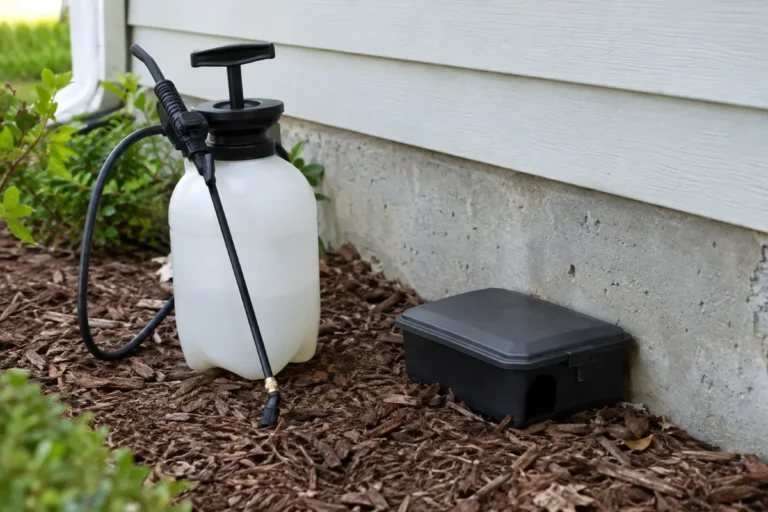
$150 – $600That is the typical rodent removal cost in 2026 for getting mice or rats out of a house, according to HomeGuide and Today’s Homeowner; This Old House puts a mouse job at $150 to $550 and Thumbtack reports $232 to $807 for rodent removal. Sealing entry points, cleaning up droppings and replacing soiled insulation are usually priced separately, and a large infestation can run $1,000 to $8,000 (HomeGuide).
Getting the rodents out is only part of the bill. The CDC’s advice for homes follows three steps, seal up, trap up and clean up (CDC), and each step can be a separate charge on a quote. The tables below price each step for mice and rats, show what pushes a job into the thousands, and explain when doing it yourself makes sense. Squirrels, raccoons, bats and other wildlife are a different job, with different prices, and are not covered here.
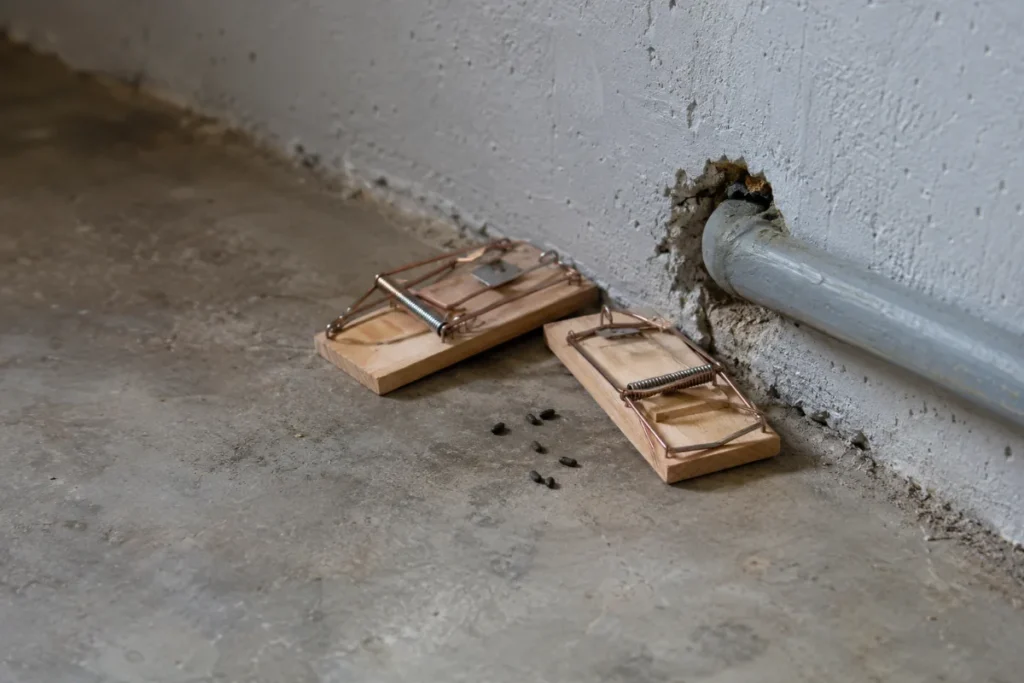
Rodent removal cost by job size
| Job | HomeGuide | This Old House | Today’s Homeowner | Thumbtack |
|---|---|---|---|---|
| Typical job | $150 – $600 | $150 – $550 (mice); $395 – $1,500+ (rats) | $150 – $600 (rats) | $232 – $807 |
| Small infestation | $100 – $500 | $176 – $613 (rats) | – | – |
| Medium infestation | $500 – $1,500 | – | – | – |
| Large infestation | $1,000 – $8,000 | $1,000+ (rats) | up to $6,500 | – |
| Fumigation (severe cases) | $2,000 – $6,500 | $2,000 – $6,000 | $2,000 – $6,500+ | – |
The guides agree on $150 to $600 for an ordinary job, but that agreement is partly shared data: This Old House says its mouse figures come from HomeGuide, and Today’s Homeowner says its figures draw on HomeGuide among other sources. The two figures built on other data run higher. This Old House prices rats from Angi data at $395 to $1,500 or more, and Thumbtack, using estimates its customers received, reports $232 to $807, with most people paying about $433. HomeGuide’s sizes also tell you what is included: a small job means sealing one entry point and light cleaning, while a medium one means up to four service visits and sealing several entrances (HomeGuide).
Estimate your rodent removal cost
Our estimate: the published ranges above multiplied out for your inputs. Not a quote. Infestation ranges from HomeGuide (Sep 2025), small-job high from This Old House (Mar 2026). Inspection: HomeGuide and Today's Homeowner (Apr 2025). Exclusion: Today's Homeowner and This Old House. Cleanup: HomeGuide. Emergency fee: HomeGuide and This Old House (Apr 2026). Insulation: HomeGuide (Sep 2025 and Jan 2026). The attic area only affects the insulation line. State adjustment: BLS construction wages (May 2025), applied to an assumed 50% labor share. How we calculate
Our estimate: each calculator range is the lowest to the highest figure the guides give for that line, so it is our own combination, not a measured price. HomeGuide’s small and medium jobs already include some sealing, so only tick the exclusion line if a quote prices extra sealing work on top.
Mice vs rats: why rats usually cost more
| Rodent | HomeGuide | This Old House | Today’s Homeowner |
|---|---|---|---|
| Mice | $150 – $550 | $150 – $550 (about $350 on average) | – |
| Rats | $150 – $600 | $395 – $1,500+ | $150 – $600 (about $400 on average) |
On paper the gap is small, but rats are harder to catch. Rats tend to fear anything new, so the CDC suggests baiting traps without setting them until the rats get used to them, and says several days may pass before they go near a trap; house mice are less cautious and may be trapped more quickly (CDC). The University of California adds that rats may avoid traps and baits for days or weeks after they are placed (UC IPM). More waiting means more return visits.
Which rat you have also changes the work. Norway rats burrow along foundations and, indoors, usually stay in basements and on the ground floor. Roof rats are agile climbers that favor attics, walls, false ceilings and cabinets, and because they climb, sealing them out usually takes longer to find every entry point (UC IPM). That matches what the cost guides say about location: rodents nesting in an attic, a crawl space or behind walls cost more to remove than rodents in a garage or shed (HomeGuide, This Old House).
Cost by removal method
| Method | HomeGuide | This Old House (rats) | Today’s Homeowner (rats) |
|---|---|---|---|
| Trapping by a pro | $150 – $600 | $50 – $250 | $145 – $572 (traps and baits, with follow-ups) |
| Poison bait | $200 – $550 | – | – |
| Live trapping | $50 – $80 per rodent | – | $50 – $80 per rat |
| Full removal (inspection to cleanup) | – | $200 – $6,000 | $200 – $700 |
| Fumigation | $2,000 – $6,500 | $2,000 – $6,000 | $2,000 – $6,500+ |
The “full removal” rows show how differently the guides package the work: This Old House’s $200 to $6,000 covers everything from inspection through exclusion and cleanup, while Today’s Homeowner’s $200 to $700 covers standard removal plus disposal of dead rats and debris. Fumigation, which means tenting the house and filling it with gas, is kept for the most severe infestations by This Old House and Today’s Homeowner; This Old House puts it at $1 to $3 per square foot (This Old House).
Official guidance favors the cheap end. The CDC recommends traditional snap traps around the home and says to use poison or bait stations only for infestations that persist (CDC). The University of California calls snap traps the safest, most effective and most economical way to trap rats (UC IPM). The CDC advises against glue traps and live traps, because frightened rodents can urinate and raise your chance of getting sick (CDC). Live trapping also has a legal side: HomeGuide notes that relocating mice or rats is illegal in some states (HomeGuide), and the University of California, writing for California, says trapped rats must legally be euthanized or released immediately where they were caught (UC IPM).
Inspection fee and trapping visits
Most jobs start with an inspection to size the infestation and find where the rodents get in. HomeGuide prices it at $75 to $150 and says the fee often goes toward the total bill (HomeGuide); Today’s Homeowner gives $90 to $150 (Today’s Homeowner). Not everyone charges for it: This Old House and Thumbtack both note that some companies inspect for free (This Old House, Thumbtack).
Trapping then takes several visits. Thumbtack says the technician usually returns in two or three days to check traps and remove dead rodents, and that follow-up visits may or may not be included in the price (Thumbtack). This Old House prices pest control visits, an inspection plus follow-ups, at $150 to $300, and notes that companies charge for each follow-up visit (This Old House). A small job takes two to three days and a severe one one to two months, according to HomeGuide (HomeGuide); This Old House says anywhere from several days to three months (This Old House). The CDC’s own rule for knowing when you are done: if nothing is caught for a week and there are no new signs, the rodents are gone (CDC).
Exclusion: sealing entry points
| Exclusion work | Cost | Source |
|---|---|---|
| Exclusion service (sealing holes and cracks, screens) | $150 – $650 | Today’s Homeowner |
| Exclusion service | $200 – $600 | This Old House |
| Rodent-proofing an attic, added to cleaning | $125 – $200 | Thumbtack |
| One-way exclusion door, installed | $200 – $400 each | HomeGuide |
| Full eviction plan (doors on all entry points, repairs, a month or more of visits) | $600 – $1,400 | HomeGuide |
Exclusion is the part that stops you paying again. The University of California calls it the most successful and longest-lasting strategy for rat control around buildings (UC IPM). The openings involved are small: mice can fit through a hole the width of a pencil, 1/4 inch (CDC), and young rats can squeeze under a door with a 1/2-inch gap (UC IPM).
Materials explain why proper sealing costs more than a can of foam. The CDC says to fill small holes with steel wool held in place with caulk or spray foam, and to use lath screen, metal, cement, hardware cloth or metal sheeting for larger holes (CDC). The University of California warns that rats can chew through plastic, foam, wood and caulk, recommends 1/2-inch galvanized mesh over vents and says never to use lightweight chicken wire (UC IPM). Older and larger homes, especially wooden ones, have more entry points to seal (HomeGuide), and sealing around the roof when rats are present raises the price (HomeGuide).
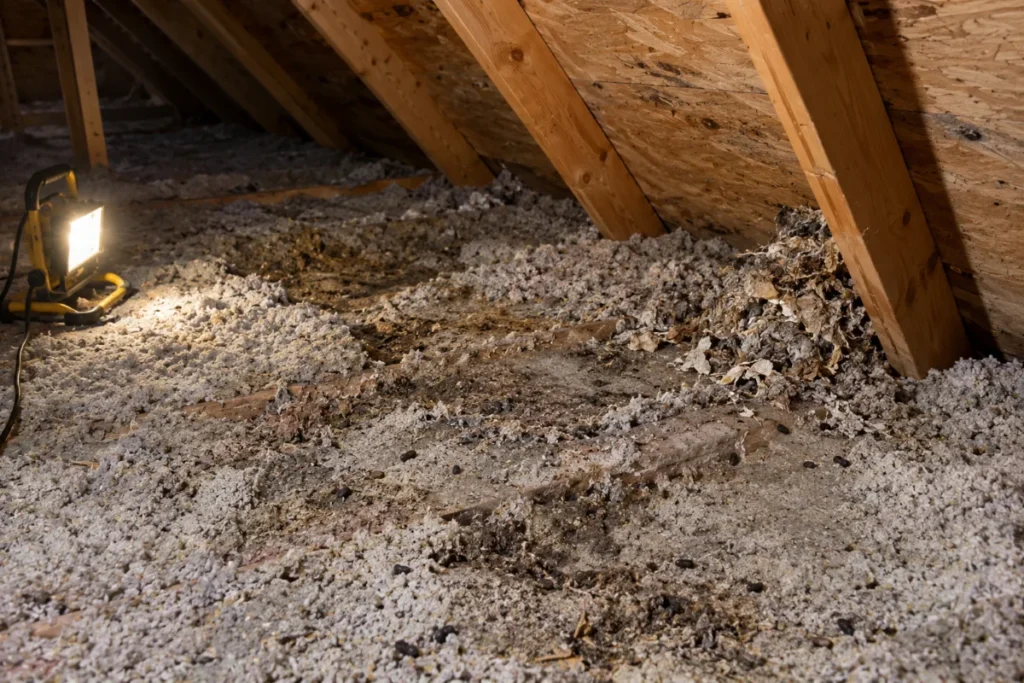
Droppings cleanup, attic and crawl space work
| Cleanup line | HomeGuide | Thumbtack |
|---|---|---|
| Rodent cleanup service (droppings, hazardous waste, disinfectant) | $600 – $1,000, or $200 – $260 an hour | – |
| Attic decontamination | – | about $1.50 per sq ft, plus about $200 to deodorize and disinfect |
| Removing old attic insulation | $1 – $2 per sq ft | included in decontamination |
| Replacing attic insulation, removal included | $2 – $6 per sq ft | – |
| Crawl space cleanup and repairs | $200 – $700 (minor); $1,500 – $4,000 (large infestation) | – |
Cleanup is priced as its own job because droppings are a health risk. Hantaviruses can cause serious illness and death, and people can be infected by breathing air contaminated when fresh urine, droppings or nesting material from an infected rodent is stirred up (CDC). That is why the CDC says never to sweep or vacuum droppings. Its method for a home (CDC):
- Open doors and windows for 30 minutes before you start, and stay out while the space airs.
- Wear rubber or plastic gloves, and spray urine and droppings with an EPA-registered disinfectant or a fresh bleach solution (1 part bleach to 9 parts water) until very wet. Let it soak for 5 minutes.
- Wipe up with paper towels, then mop or sponge all hard surfaces with disinfectant.
- Spray dead rodents and nests too, then double-bag them with any used traps.
- Bag any exposed insulation contaminated with urine and droppings for removal.
Heavy infestations are where hiring out makes most sense. For those, the CDC lists disposable coveralls, rubber boots, gloves, goggles and a half-mask respirator with a HEPA filter, and says workers hired for cleanup should contact their state health department or occupational safety authority. If rodents have got into heating and cooling ducts, it says to call a professional rodent service (CDC). Soiled insulation is the most expensive line: HomeGuide says rodent cleanups in attics, crawl spaces or basements typically need the whole room cleaned (HomeGuide), and our guides to attic insulation cost and crawl space encapsulation cost price the rebuild.
Our estimate: a small mouse infestation in an attic, with a paid inspection, extra sealing, a professional droppings cleanup and new insulation over 800 square feet, would come to about $2,525 to $7,213. That is $100 to $613 for removal, $75 to $150 for the inspection, $150 to $650 for exclusion, $600 to $1,000 for cleanup and $1,600 to $4,800 for insulation (800 sq ft at $2 to $6), using the ranges in the tables above. It is our own sum, not a measured figure; without the insulation line it is $925 to $2,413.
Repairs after the rodents are gone
Chewing damage is billed by other trades. Rats gnaw electrical wires and wood and shred insulation for nests, and roof rats living in attics can create a risk of electrical sparks and fires (UC IPM). HomeGuide is the only guide we found that prices the common repairs, so treat these as one source’s figures (HomeGuide, September 2, 2025):
- Drywall repair after removing a dead rodent from a wall: $300 to $1,500 or more.
- Electrical rewiring to replace chewed cables: $5 to $17 per square foot.
- Ductwork replacement: $25 to $55 per linear foot.
- Soffit and fascia repair: $9 to $34 per linear foot.
- Roof repair to permanently seal entry points: $150 to $500.
- Ceiling repair: $200 to $500.
Do not count on insurance for any of this. HomeGuide says homeowners policies typically do not cover rodent removal or rodent damage, because most treat infestations as preventable (HomeGuide). Check your own policy wording.
Recurring service plans
| Service | Today’s Homeowner (rats) | HomeGuide (general pest plans) |
|---|---|---|
| One-time visit with follow-up | $150 – $350 | $100 – $600 |
| Monthly service | $125 – $300 first visit, then $50 – $75 a month | $40 – $75 per visit |
| Quarterly service | – | $100 – $300 per visit |
| Annual service | $125 – $500 | $300 – $900 a year |
Some companies offer an ongoing plan to keep checking traps and prevent another infestation (HomeGuide), and Today’s Homeowner describes monthly service as meant for homes with recurring rat problems or infestations that need a long-term plan (Today’s Homeowner). Mice can return after any treatment when a nearby building is infested or the home sits next to fields or woods (This Old House). If the entry points are sealed and nothing new turns up, a one-time job is usually the cheaper route. Our pest control cost guide compares plans that cover insects as well, and our termite treatment cost guide prices the other pest that damages the structure of a house.
What raises the price
- Where they nest. Attics, wall voids and crawl spaces cost more than a garage or shed (HomeGuide, Today’s Homeowner).
- How many there are. Infestation size is the most important factor for exterminators, according to HomeGuide; more rodents mean more labor, follow-up visits and possibly costlier treatments (This Old House).
- The house. Larger and older homes have more entry points and hiding places (HomeGuide, This Old House), and a poorly maintained property costs more to work in (Today’s Homeowner).
- Urgency. Weekend, holiday and after-hours service adds $100 to $200 (HomeGuide, This Old House).
- Dead rodents in walls. Getting them out usually adds drywall repair and odor control (HomeGuide). Poison baits make this more likely, because rodents can die inside walls (This Old House).
- Where you live. Urban rat control tends to cost more than rural (Today’s Homeowner), though rural homes may pay for travel (This Old House). The calculator’s state option adjusts the labor share for local construction wages.
DIY vs hiring a pro
| DIY supply | This Old House (each) | Today’s Homeowner (each) |
|---|---|---|
| Snap traps | $3 – $6 | $2 – $5 |
| Bait stations | $8 – $20 | $20 – $30 |
| Live traps | $10 – $30 | $5 – $20 |
| Electronic traps | $20 – $50 | $20 – $60 |
A few mice that came in through a hole you can find are a realistic DIY job. This Old House says most homeowners can handle fewer than five mice with traps and store products, and that bigger infestations are much harder without help (This Old House). The CDC’s method is to seal the entry points first, set snap traps along walls in a T shape with a small amount of peanut butter, check them daily, and keep trapping until activity stops (CDC, CDC).
Poison is where DIY and professional work part ways. Rodent poison sold to consumers comes only as ready-to-use bait stations and may not contain the stronger second-generation anticoagulants (EPA); professionals can obtain more types, some of them restricted-use (UC IPM). The EPA says to use only tamper-resistant bait stations, to keep traps and baits where children and pets cannot reach them, and to remove dead rodents promptly so wildlife and pets that eat them are not poisoned (EPA, EPA). The CDC suggests professional help when trapping does not resolve the infestation, or when rodents have got into areas you cannot reach to clean (CDC, CDC).
Part of what you pay for is the license. State laws require pest control workers to be licensed, and the median pest control worker earned $21.75 an hour, or $45,250 a year, in May 2025 (Bureau of Labor Statistics). The EPA suggests asking to see a company’s license and calling your state pesticide regulatory agency if you have concerns (EPA).
How to keep the bill down
- Act at the first droppings or gnaw marks. The CDC says rodents are easier to control before they are established (CDC), and a small job costs a fraction of a large one.
- Remove food, water and shelter: food in sealed containers, pet food put away at night, woodpiles 100 feet from the house and raised a foot off the ground (CDC).
- Ask for free inspections from several companies and compare written quotes on the same scope.
- Pay for exclusion done with steel, mesh or cement rather than foam alone, so you do not pay for removal twice.
- Book during regular hours to avoid the $100 to $200 emergency charge.
- Get insulation removal and replacement priced as a separate line, per square foot, so you can compare it between quotes.
Questions to ask before you sign
- Is the inspection free, and does its fee count toward the job?
- How many trapping visits are included, and what does each extra visit cost?
- Which entry points will you seal, with what materials, and is sealing in the price?
- Will you use poison bait, and where? How will you keep it away from children and pets?
- Does the price include removing dead rodents, cleaning up droppings and disinfecting?
- Can I see your state license, and what happens if rodents come back after the last visit?
Sources
- Centers for Disease Control and Prevention, Controlling Wild Rodent Infestations, How to Seal Up to Prevent Rodents, How to Trap Up to Remove Rodents and How to Clean Up After Rodents, April 8, 2024; Hantavirus Prevention, May 13, 2024.
- U.S. Environmental Protection Agency, Options for Dealing With Rodent Infestations and Safely Use Rodent Bait Products, updated September 29, 2026; Tips for Hiring a Rodent Control Professional, updated January 29, 2026.
- University of California Statewide IPM Program, Pest Notes: Rats, updated June 2025.
- U.S. Bureau of Labor Statistics, Occupational Outlook Handbook: Pest Control Workers, pay data for May 2025.
- HomeGuide, Rodent Removal Cost, September 2, 2025; Exterminator Cost, January 9, 2026; Attic Insulation Cost, January 13, 2026.
- This Old House, Mice Exterminator Cost, updated April 3, 2026; How Much Does a Rat Exterminator Cost?, updated March 13, 2026.
- Today’s Homeowner, How Much Does a Rat Exterminator Cost?, April 10, 2025.
- Thumbtack, How much does it cost to hire rodent removal services?, August 2025; How much does attic cleaning cost?, March 31, 2026.