$100 – $600That is the typical pest control cost in 2026 for a one-time exterminator visit, according to HomeGuide. Other 2025–2026 guides land inside or near that band: This Old House puts a one-time treatment at $50 to $500 (average $171) and Fixr at $158 to $288. Ongoing service costs roughly $30 to $75 per visit on a monthly schedule and $100 to $300 per visit on a quarterly one. Ants and spiders sit at the low end; bed bugs and termites can run into the thousands.
The real choice most homeowners face is not which company to call but whether to pay once or sign up for a plan. A one-time visit fixes a problem you already have. A recurring plan is a bet that the problem keeps coming back. The figures below show what each option costs, what drives the price, and when a contract is worth it.
One-time visit vs recurring plan
| Visit frequency | HomeGuide (per visit) | Fixr (per visit) | This Old House |
|---|---|---|---|
| One-time visit | $100 – $600 | $158 – $288 | $50 – $500 |
| Monthly | $40 – $75 | $31 – $56 | — |
| Quarterly | $100 – $300 | $98 – $178 | — |
| Annually | $300 – $900 | $471 – $867 | — |
A single visit costs more per trip because it usually includes an inspection, the first heavy treatment and the company’s cost of sending a technician for one job. Recurring visits are cheaper each time because the technician is maintaining a treatment that is already in place.
Our estimate: multiplying the per-visit ranges above by the number of visits gives roughly $400 to $1,200 a year for a quarterly plan (4 × $100–$300) and $480 to $900 a year for a monthly plan (12 × $40–$75). This is our own arithmetic, not a measured figure. It is higher than HomeGuide’s $300 to $900 figure for an annual plan, which suggests that bundled contracts are often priced below the sum of their visits. Fixr’s lower per-visit rates give $392 to $712 a year for a quarterly plan (4 × $98–$178), and Fixr puts contracted visits over a year at $450 to $1,188 in total (Fixr). The two guides agree on quarterly visits at the low end but differ by more than $100 per visit at the top. Ask any company for the total yearly cost in writing, not just the per-visit price.
Pest control cost by type of pest
The pest decides most of the bill. Common insects such as ants and spiders are the easiest to treat, while bed bugs and termites often need several visits or whole-home treatment (HomeGuide).
| Pest | HomeGuide | This Old House | Fixr |
|---|---|---|---|
| Ants | $200 – $300 | $100 – $500 | $158 – $288 (common insects) |
| Spiders | $100 – $300 | — | $158 – $288 (common insects) |
| Cockroaches | $100 – $600 | $100 – $600 | — |
| Fleas | $200 – $400 | $100 – $400 | $158 – $288 (common insects) |
| Silverfish | $100 – $400 | — | $158 – $288 (common insects) |
| Ticks | $100 – $250 | — | — |
| Mice & rats | $150 – $600 | $180 – $600 | $225 – $500 |
| Mosquitoes | $80 – $150 per visit; $350 – $1,000 per season | $350 – $500 | $65 – $150 |
| Wasps & hornets | $300 – $700 | $300 – $700 | — |
| Bees | $125 – $1,000 | — | — |
| Squirrels and other wildlife | $300 – $600 (squirrels) | $230 – $700 (bats) | $250 – $1,000 (wildlife) |
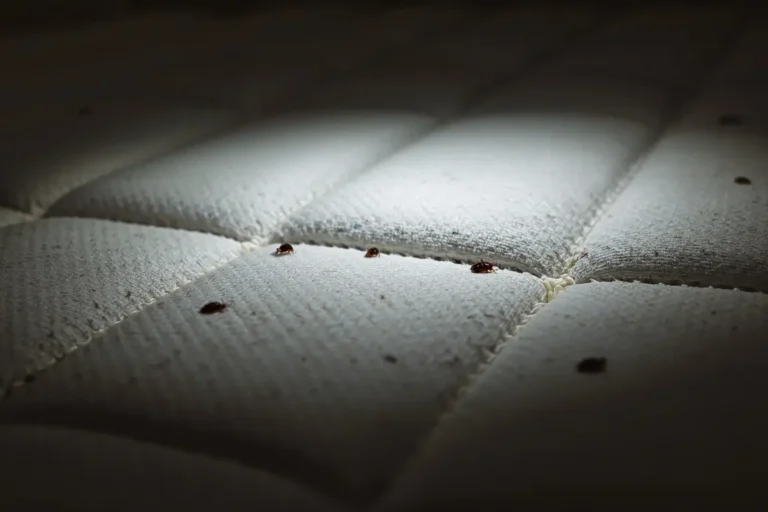
| Bed bugs | $300 – $500 per room; $2,500 – $5,000 per home | $1,000 – $4,000 | $300 – $3,500 |
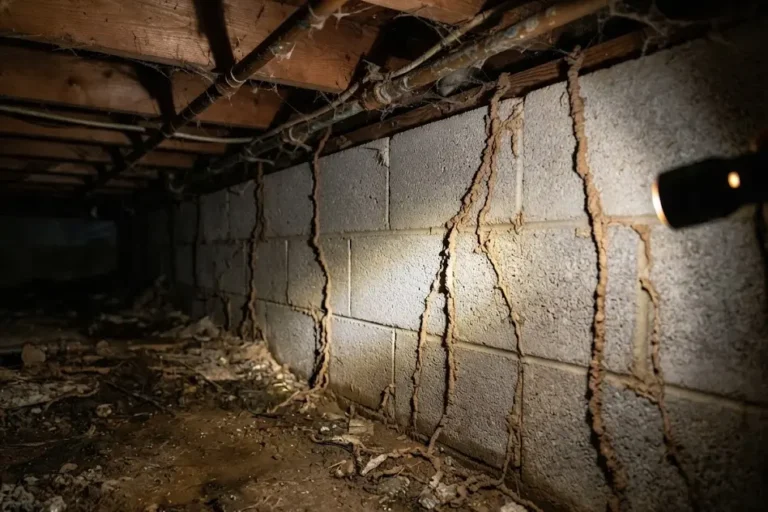
| Termites | $225 – $2,500 (exterior barrier); $2,000 – $8,000 (whole-home tenting) | $250 – $1,000 | $1,570 – $2,857 (fumigation) |
A few of these ranges stretch well beyond a typical visit. A severe ant infestation can reach $1,200, cockroach infestations that need tenting and fumigation cost $1,000 to $7,500, yellowjacket removal runs $600 to $1,200 because the species is so aggressive, and getting squirrels out of an attic, including cleanup and sealing entry points, costs $500 to $1,500 or more (HomeGuide).
The three guides agree closely on common insects, cockroaches, wasps and rodents. They disagree on the two expensive pests. For bed bugs, This Old House starts at $1,000 while HomeGuide and Fixr start at about $300, because the low figures price a single treated room. For termites, the gap reflects the method: This Old House’s $250 to $1,000 and HomeGuide’s exterior-barrier range cover soil treatment, while Fixr’s $1,570 to $2,857 is for drywood-termite fumigation. Fixr prices subterranean termite treatment separately at $7 to $14 per linear foot (Fixr). Ask any company which method its quote uses.
Estimate your pest control cost
Use the tables above to estimate your cost. The interactive calculator needs JavaScript.
Cost by treatment method
| Treatment method | HomeGuide | This Old House | Fixr |
|---|---|---|---|
| Chemical treatment (spray, dust, bait) | $100 – $600 | $100 – $3,000 (professional spraying) | $450 – $1,188 a year |
| Physical removal and traps | $150 – $600 | $100 – $600 (professional trapping) | $225 – $1,000 (removal) |
| Heat treatment | $2,000 – $6,000 | — | up to about $3,500 (whole-home bed bugs) |
| Fumigation and tenting | $2,000 – $8,000+ | $1,500 – $8,000 | $1,570 – $2,857 |
Chemical treatment is the most common and covers most routine visits. Fumigation costs $1 to $4 per square foot and is reserved for severe termite, bed bug, flea or roach infestations; you have to leave the house for 24 to 72 hours while it runs (HomeGuide).
What drives the price
- Where the pests are. Pests inside walls, in the attic or in structural wood take longer to find and treat.
- Size of the home and yard. More square footage means more time, more product or more bait stations.
- How bad the infestation is. An early problem may need one visit; an established one may need several.
- Inspection. A standalone pest inspection costs $50 to $200, depending on home size.
All four factors come from HomeGuide, which also notes that wildlife jobs depend on local rules for handling animals, and those rules shape the method and the price.
This Old House puts numbers on the size factor for a one-time treatment:
| Home size | One-time treatment |
|---|---|
| 1,000 sq ft | $250 – $450 |
| 1,500 sq ft | $300 – $550 |
| 2,000 sq ft | $350 – $600 |
| 2,500 sq ft | $400 – $675 |
| 3,000 sq ft | $450 – $750 |
When a quarterly plan is worth it
A recurring plan makes sense when the pest keeps returning. HomeGuide notes that one visit may be enough for some pests, but keeping ants, cockroaches and similar insects from coming back may need ongoing treatment (HomeGuide). If you are dealing with a single wasp nest or one mouse problem you have already sealed off, a one-time visit is usually the cheaper route.
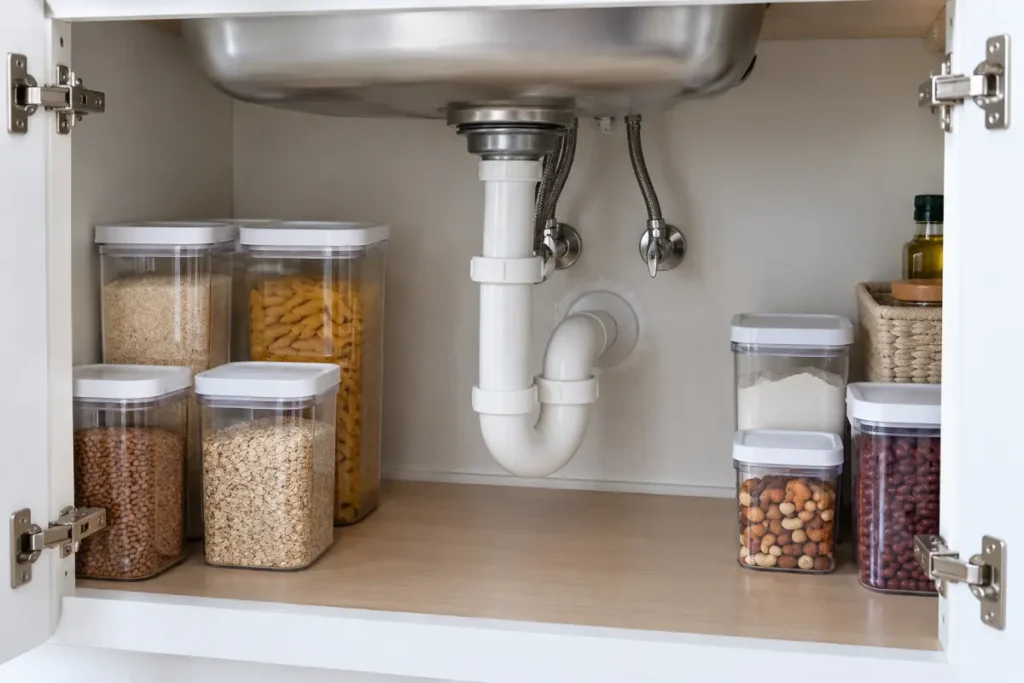
Before you sign anything, fix what attracts pests in the first place. The EPA points out that pests need food, water and shelter, and recommends sealing food, fixing leaks, draining standing water and sealing cracks around baseboards, pipes and windows before reaching for pesticides (EPA). A plan cannot out-spray a leaking pipe under the sink.
The approach good companies should follow is integrated pest management (IPM): identify the pest, decide at what point it actually needs control, prevent it first, and use the least risky effective method, with broadcast spraying of non-specific pesticides as a last resort (EPA). A company that sprays on every visit without inspecting is not following that approach.
What the labor line pays for
The median pest control worker in the United States earned $21.75 an hour, or $45,250 a year, in May 2025, according to the Bureau of Labor Statistics. State laws require pest control workers to be licensed. The price you pay also covers the products, the vehicle, licensing, insurance and travel between jobs, which is why even a short visit rarely costs less than about $100.
How to keep the bill down
- Remove food, water and entry points first. The EPA’s prevention steps cost little and make any treatment work better.
- Get estimates from more than one company and compare both rates and services; many offer free written estimates (NPIC).
- Start with a one-time treatment if the problem is new. Move to a plan only if it comes back.
- Compare plans by their total yearly cost, not the per-visit price.
- Hire a specialist for bed bugs or termites rather than a general plan that treats them as an add-on.
Questions to ask before you sign
The National Pesticide Information Center, run by Oregon State University with the EPA, suggests evaluating any company on qualifications, experience, reputation, value, customer service and safety (NPIC). These questions come from its checklist:
- Do your technicians have current licenses of the right classification for this job? You can verify this with your state pesticide regulatory office.
- Do you use integrated pest management techniques?
- Do I have to sign a long-term contract, and what does it cost over its full term?
- Do you guarantee your work, and on what terms?
- Which products will you use, with their EPA registration numbers, and where will each go?
- Are you insured to cover my home, my family and your employees?
Sources
- U.S. Bureau of Labor Statistics, Occupational Outlook Handbook: Pest Control Workers, pay data for May 2025.
- U.S. Environmental Protection Agency, Do You Really Need to Use a Pesticide? and Integrated Pest Management (IPM) Principles.
- National Pesticide Information Center (Oregon State University and EPA), Selecting a Pest Control Company, last updated December 3, 2024.
- HomeGuide, How Much Does an Exterminator Cost?, January 9, 2026.
- This Old House, How Much Does Pest Control Cost? (2026 Pricing), updated March 12, 2026.
- Fixr, How Much Does It Cost To Hire An Exterminator?, updated January 31, 2025.