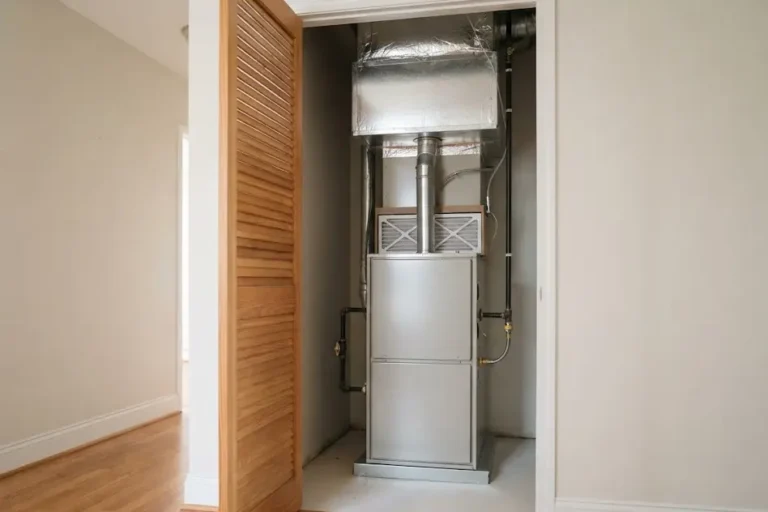
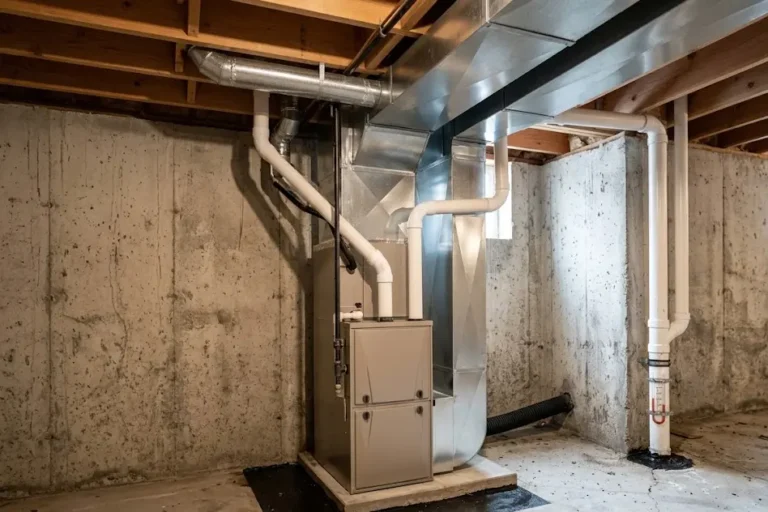
$5,000 – $25,000That is the typical heat pump installation cost in 2026 for a ducted air-source system, depending on the house and the guide you read: Fixr puts most jobs at $5,000 to $15,000, HomeGuide at $10,000 to $25,000 with the air handler included, and This Old House reports an average of $10,575 for a central heat pump. A geothermal (ground-source) system runs $15,000 to $50,000 or more, and a ductless system $2,000 to $17,000 depending on the number of zones. Home size, efficiency rating and whether your ducts and electrical panel can be reused decide where you land.
A heat pump heats and cools with one machine by moving heat instead of burning fuel. According to the Department of Energy, a properly installed air-source heat pump can deliver two to four times more heat energy than the electricity it consumes (U.S. Department of Energy). That efficiency is what you pay for up front. The sections below show the price by type, by house size and by efficiency, the extras that appear on quotes, and what changed with federal tax credits for 2026.
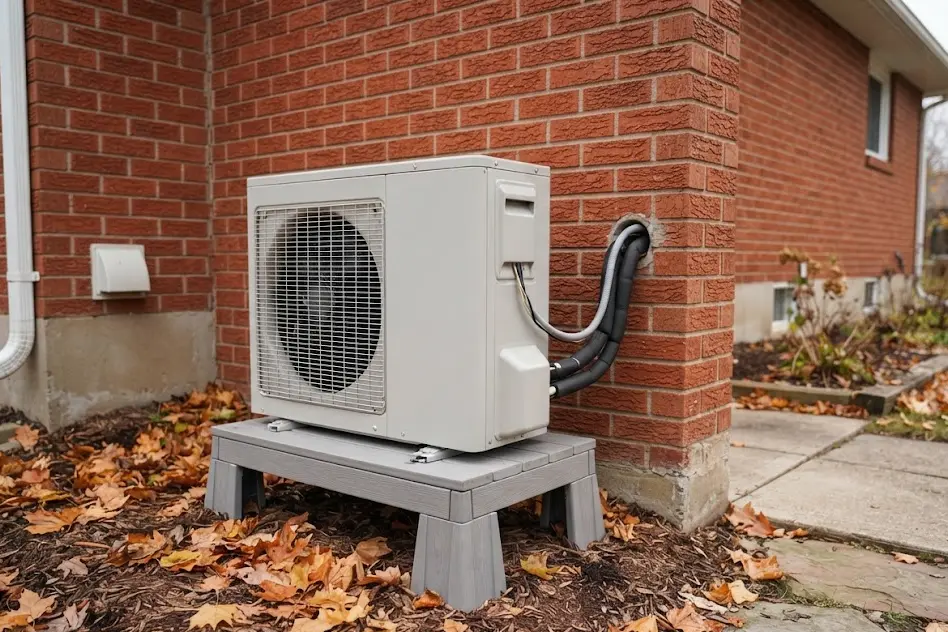
Cost by heat pump type
| Type | HomeGuide | Fixr | This Old House (average) |
|---|---|---|---|
| Air-source (ducted) | $10,000 – $25,000+ (air handler included) | $5,000 – $15,000 | $10,575 central; $8,007 air-source replacement |
| Geothermal (ground-source) | $20,000 – $50,000+ | $15,000 – $35,000 | $17,000 small or medium home; $30,000+ large home |
| Ductless | $2,000 – $17,000+ | $2,000 – $8,000 | $3,250 single-zone |
The guides disagree more at the top than at the bottom. Fixr’s national average for a heat pump installation is $8,350 (Fixr) and This Old House’s is $10,575 (This Old House), while HomeGuide starts its air-source range at $10,000 because it includes the air handler (HomeGuide). The lower figures fit a heat pump swapped into a house with ducts that can be reused; HomeGuide’s fit a fuller system.
Air-source heat pumps are the most common choice for homes. They pull heat from outdoor air and connect to existing ductwork, so they can replace both a furnace and a central air conditioner (HomeGuide). ENERGY STAR notes that in most climate zones a ducted unit can go in as a drop-in replacement when either the air conditioner or the furnace needs replacing (ENERGY STAR).
Geothermal systems cost more because of the excavation and the ground loop, and larger or more complex systems can pass $75,000 (HomeGuide). They exchange heat with the shallow ground, which stays at 40°F to 70°F all year. The Department of Energy says the extra installation cost may be returned in energy savings in 5 to 10 years, depending on energy prices and local incentives, and estimates system life at up to 24 years for the indoor components and 50 years or more for the ground loop (U.S. Department of Energy).
Ductless heat pumps suit room additions and houses without ductwork. Each zone adds cost and installation work (HomeGuide). Because they are priced by the zone, they are a different buying decision from a whole-house ducted system.
Cost by home size
| Home size | Capacity (HomeGuide) | HomeGuide | Fixr |
|---|---|---|---|
| 1,000 sq ft | 1.5 – 2 tons | $6,000 – $8,500+ | $5,000 – $8,000 |
| 1,500 sq ft | 2.5 tons | $8,000 – $10,500+ | $6,700 – $14,000 |
| 2,000 sq ft | 3 tons | $10,000 – $20,000+ | $8,000 – $20,000 |
| 2,500 sq ft | 3.5 – 4 tons | $12,000 – $22,000+ | $9,500 – $22,000 |
| 3,000 sq ft | 4 – 5 tons | $18,000 – $25,000+ | $15,000 – $25,000 |
| 3,500 sq ft | 5+ tons | $20,000 – $28,000+ | not given |
| 4,000+ sq ft | 5+ tons | $22,000 – $32,000+ | not given |
Estimate your heat pump installation cost
Use the tables above to estimate your cost. The interactive calculator needs JavaScript.
Our estimate: the calculator’s range for each home size runs from the lower of the HomeGuide and Fixr low figures to the higher of their high figures in the table above; for 3,500 sq ft and larger, and for the extras, only HomeGuide gives numbers. It combines published ranges; it is not a measured price for your house.
Square footage is only a starting point. Poor insulation, high ceilings and many windows raise the capacity a house needs, while a well-insulated house can use a smaller, cheaper system (HomeGuide). ENERGY STAR says a system that is too large or too small will struggle to keep the house comfortable, and that your contractor should size it with a “Manual J” calculation of your home’s heating and cooling load (ENERGY STAR). A quote that sizes the unit by square footage alone skips that step.
Cost by efficiency rating
| Efficiency (HomeGuide rating) | Unit only (HomeGuide) | Installed (HomeGuide) | Installed (Fixr) |
|---|---|---|---|
| 14–15 SEER2 / 7.5 HSPF2 | $3,000 – $5,000 | $6,000 – $12,000+ | $5,000 – $12,000 |
| 16–17 SEER2 / 8–9 HSPF2 | $4,000 – $6,500 | $8,000 – $15,000+ | $7,000 – $15,000 |
| 18–19 SEER2 / 9–10 HSPF2 | $5,500 – $8,500 | $11,000 – $18,000+ | $10,000 – $18,000 |
| 20+ SEER2 / 10+ HSPF2 | $7,000 – $12,000 | $15,000 – $25,000+ | $15,000 – $25,000 |
SEER2 measures cooling efficiency and HSPF2 heating efficiency; both are printed on the EnergyGuide label every residential heat pump sold in the U.S. must carry. The “2” versions replaced the old ratings in January 2023 and read lower for the same unit: 15 SEER equals about 14.3 SEER2, and 8.8 HSPF about 7.5 HSPF2. The Department of Energy advises that in warmer climates SEER matters more, while in colder climates you should get the highest HSPF feasible (U.S. Department of Energy).
Cold-climate heat pumps
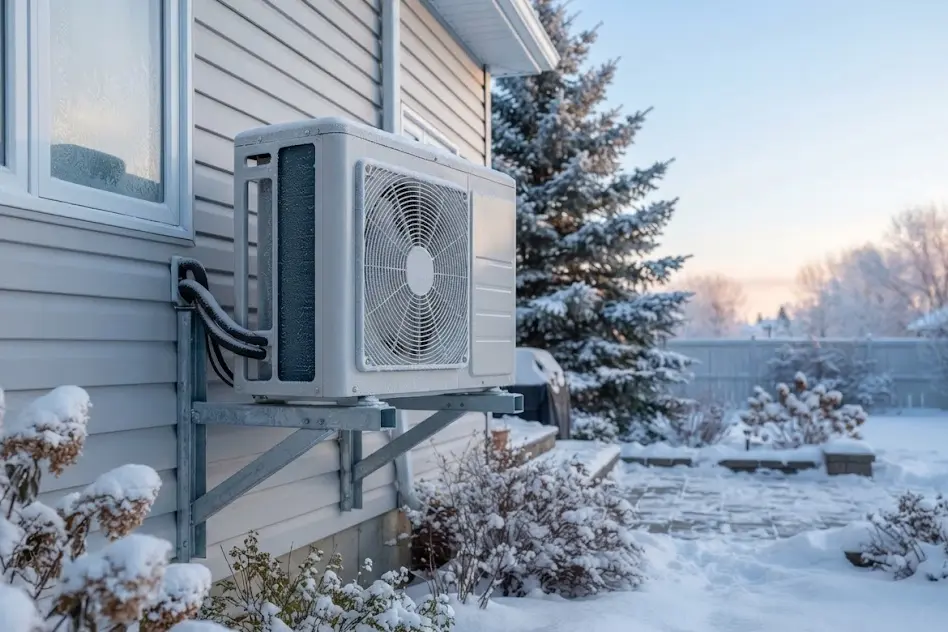
Standard air-source units perform well above 25°F, while newer cold-climate models work down to −13°F (HomeGuide). ENERGY STAR’s cold-climate certification requires third-party verified performance tested down to 5°F. The units keep working below that, but ENERGY STAR says pairing them with a backup heat source is the most efficient way to heat at even lower temperatures (ENERGY STAR).
Homes in colder regions need larger, pricier units and often a backup system. A dual-fuel setup, which pairs the heat pump with a gas furnace, costs more but keeps heating reliable in extreme cold (HomeGuide). If you already have a relatively new furnace and an old central air conditioner, ENERGY STAR suggests replacing the air conditioner with a heat pump to create a dual-fuel system for a modest extra cost over a new AC (ENERGY STAR).
The savings are real in cold regions. A Northeast Energy Efficiency Partnerships study cited by the Department of Energy found cold-climate units in the Northeast and Mid-Atlantic saved about 3,000 kWh a year ($459 at $0.153/kWh) compared with electric resistance heat, and 6,200 kWh ($948) compared with oil systems (U.S. Department of Energy).
Labor and extra costs
Contractors charge $80 to $200 or more per hour, and a standard installation takes 3 to 8 hours; complex systems can take two days or more (HomeGuide). For comparison, the median pay of heating and air conditioning mechanics and installers was $29.33 an hour in May 2025 (BLS). The gap covers the company’s overhead, insurance, vehicles and warranty. In This Old House’s 2026 survey, 58% of homeowners who replaced a heat pump reported paying $150 or more per hour for installation labor (This Old House).
Our estimate: at HomeGuide’s $80 to $200 an hour for a 3- to 8-hour standard installation, the labor line alone would come to roughly $240 to $1,600. This multiplies the two HomeGuide ranges; it is not a measured figure, and most contractors quote the job as a package rather than by the hour.
| Extra | Cost |
|---|---|
| Electrical panel upgrade | $1,800 – $2,500 |
| Air handler replacement (if not compatible) | $1,500 – $3,400+ |
| New ductwork | $40 – $65 per linear foot |
| Duct insulation | $3 – $13 per sq ft |
| Site preparation | $500 – $2,000 |
| Refrigerant line set, long runs | $15 – $25 per foot |
| Concrete pad for outdoor unit | $300 – $500 |
| Smart thermostat, installed | $200 – $500 |
| Extended warranty or service plan | $200 – $800 |
| Old equipment removal and disposal | $200 – $500 |
| Permits | $50 – $300+ |
Replacing an existing heat pump usually costs less because most of the infrastructure stays in place. A first-time installation may need new electrical work, ductwork and a pad, and some jobs need separate permits for electrical, HVAC or excavation work (HomeGuide).
Installation quality affects running costs for years. The Department of Energy lists poor airflow, leaky ducts, the wrong refrigerant charge and incorrectly wired backup heat strips as common problems, and recommends about 400 cubic feet per minute of airflow per ton of capacity. It also notes that energy codes require controls to stop the backup electric heat from running when it is not needed, and calls this one of the most commonly violated installation practices (U.S. Department of Energy).
Is there still a federal tax credit in 2026?
No, not for a heat pump installed in 2026. The IRS says the Energy Efficient Home Improvement Credit, which paid 30% of qualified costs up to $2,000 a year for qualified heat pumps, can be claimed for improvements made through December 31, 2025 (IRS). Geothermal heat pumps fell under a separate program, the Residential Clean Energy Credit, and the IRS states that credit “is not available for any property placed in service after December 31, 2025” (IRS).
Some pages still show older information. The ENERGY STAR air-source heat pump page, for example, still describes a credit running to December 31, 2032 (ENERGY STAR). The IRS pages are the ones to trust. Local help may still exist: ENERGY STAR notes that many utilities offer incentives for certified heat pumps and keeps a rebate finder by ZIP code.
If you are replacing a water heater at the same time, heat pump models exist for that too; see our guide to water heater replacement cost.
How to keep the bill down
- Reuse sound ductwork. Good existing ducts reduce installation cost significantly (HomeGuide).
- Schedule the consultation in spring or fall, when installers have more availability and prices may be lower (HomeGuide).
- Insist on a Manual J load calculation so you do not pay for capacity you do not need (ENERGY STAR).
- Match the efficiency to your climate: in warm areas put the money into SEER2, in cold areas into HSPF2 (U.S. Department of Energy).
- If your furnace is fairly new, consider a heat pump in place of the air conditioner only, as a dual-fuel system (ENERGY STAR).
- Check your utility’s rebates with the ENERGY STAR rebate finder before choosing a model.
Questions to ask before you sign
- Did you size the system with a Manual J load calculation, and can I see it?
- Is the unit ENERGY STAR certified, and is it rated for cold climates if I need one?
- Can my ducts, air handler and electrical panel be reused, or are upgrades included in the price?
- How is the backup heat controlled so it does not run when the heat pump can do the job?
- Are permits, removal of the old equipment and the pad included?
- Is your technician certified under a program recognized by the DOE Energy Skilled Heat Pump Programs?
- How long is the manufacturer warranty, and how long is your labor warranty?
Sources
- HomeGuide, Heat Pump Cost, October 30, 2025.
- Fixr, How Much Does a Heat Pump Cost?, updated January 22, 2026.
- This Old House, How Much Does a Heat Pump Cost?, updated August 28, 2026.
- U.S. Department of Energy, Energy Saver, Air-Source Heat Pumps and Geothermal Heat Pumps. Both pages no longer load on energy.gov; the links are archived copies of June 20, 2026 and January 1, 2026.
- ENERGY STAR, Air-Source Heat Pumps.
- Internal Revenue Service, Energy Efficient Home Improvement Credit and Residential Clean Energy Credit.
- U.S. Bureau of Labor Statistics, Occupational Outlook Handbook: Heating, Air Conditioning, and Refrigeration Mechanics and Installers, pay data for May 2025.