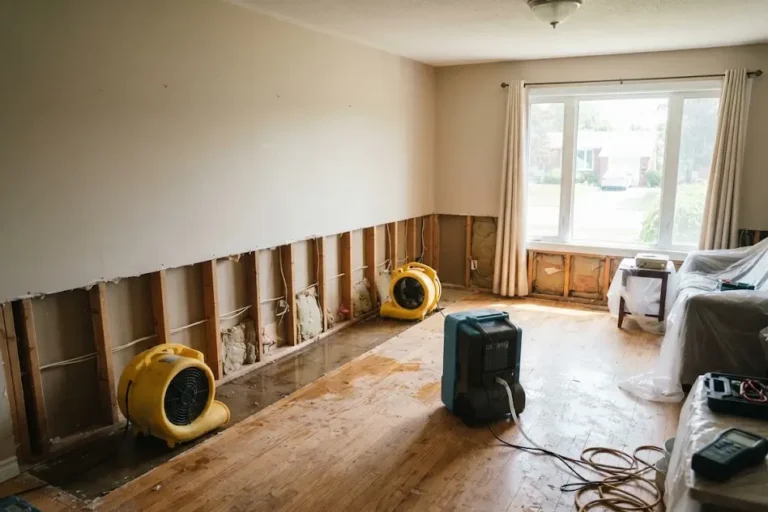
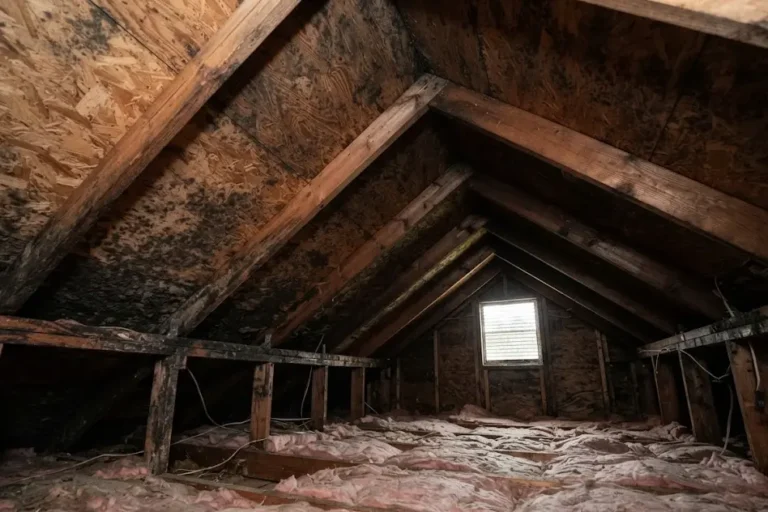
$5 – $15 per sq ftThat is the typical asbestos siding removal cost in 2026 for professional abatement of asbestos-cement siding, according to Angi; HomeGuide gives a narrower $7 to $10 per square foot, or $14,000 to $20,000 to strip 2,000 square feet of siding (Angi, HomeGuide). HomeGuide puts testing, which comes first, at $250 to $850. A third guide, This Old House, quotes far more for exterior asbestos work in general, $50 to $150 per square foot (This Old House).
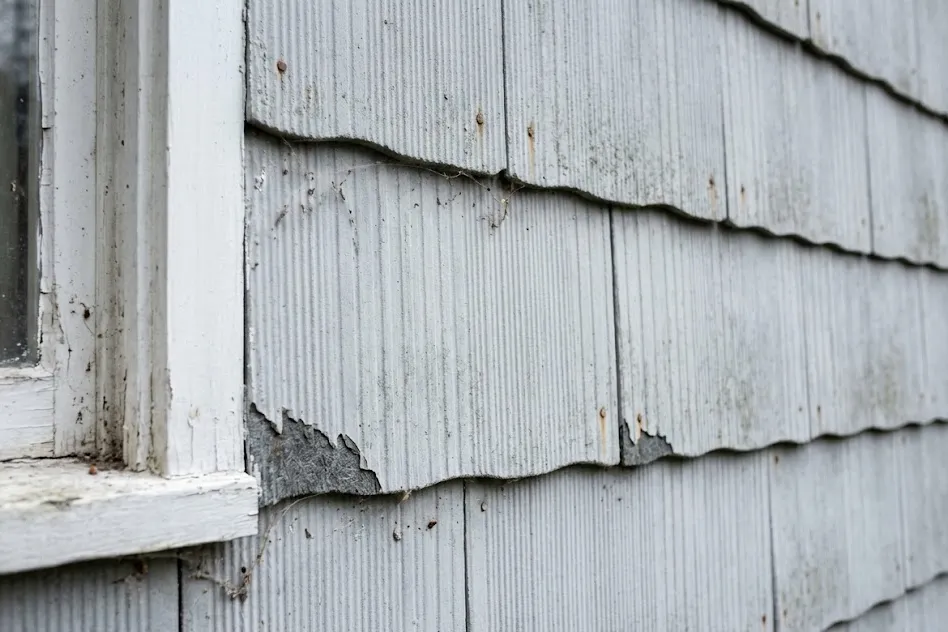
Asbestos-cement siding is durable, cement-like and much less likely to release fibers than materials such as pipe insulation (Maine DEP). The Minnesota Department of Health says simply having it on your house is not a health hazard and that siding in good condition is best left alone (MDH). You pay for removal when the siding is damaged or when a remodel will disturb it. This guide covers what that costs, the cheaper alternatives, what new siding adds afterwards and which rules apply.
Asbestos siding removal cost per square foot
| Source | Per sq ft | Per 100 sq ft | What it covers |
|---|---|---|---|
| HomeGuide (February 2026) | $7 – $10 | $700 – $1,000 | Asbestos siding removal; its siding page includes disposal |
| Angi (December 2025) | $5 – $15 | $500 – $1,500 | Asbestos siding removal, new siding not included |
| This Old House (April 2026) | $50 – $150 | $5,000 – $15,000 | All exterior asbestos work, siding or roofing |
| Fixr, older guide (August 2022) | $7 – $9 | $700 – $900 | Asbestos siding removal |
Three of the four guides agree within a few dollars: somewhere between $5 and $15 per square foot, with HomeGuide and Fixr clustered at $7 to $10. This Old House is the outlier by a factor of ten. Its $50 to $150 range is for exterior abatement projects in general, which it says often involve siding or roofing, and it does not break out siding on its own, so treat it as the ceiling for a hard job rather than a typical price. HomeGuide adds that removal costs more when the siding is crumbling or in poor condition (HomeGuide, older guide, October 2023).
Angi also prints a headline average of $2,900, with most homeowners at $1,300 to $3,900. That does not match a whole house at its own per-foot rate: in Angi’s own size table, $1,300 to $3,900 sits between a 100-square-foot job ($500 to $1,500) and a 500-square-foot one ($2,000 to $7,500) (Angi). For a full house, use the per-square-foot figures.
Our estimate: the “per 100 sq ft” column is each guide’s per-square-foot range multiplied by 100. It is our arithmetic, not a price any of the guides publishes per 100 square feet.
Estimate your asbestos siding removal cost
Our estimate: the published ranges above multiplied out for your inputs. Not a quote. Removal from Angi (Dec 2025), which spans HomeGuide (Feb 2026) and Fixr (2022); This Old House exterior range (Apr 2026) left out because it is not siding-specific. Encapsulation from This Old House and HomeGuide. Cover-over and new siding are installed siding prices from HomeGuide (Oct 2025) and Fixr (Jan 2026). Testing from HomeGuide, This Old House and Angi; air testing, separate disposal and permits from Angi (2025) and HomeGuide. Do not add new siding to the cover-over option. State adjustment: BLS construction wages (May 2025), applied to an assumed 50% labor share. How we calculate
Our estimate: the calculator multiplies your siding area by the range for the option you pick. Removal uses Angi’s $5 to $15, which contains HomeGuide’s and Fixr’s figures; This Old House’s $50 to $150 is left out because it covers all exterior asbestos work, not siding alone. Encapsulation uses the $2 to $6 that This Old House and HomeGuide both give. The cover-over option uses the installed price of vinyl siding, from the lowest to the highest figure in HomeGuide and Fixr; it does not include foam board or other preparation. The extras run from the lowest to the highest figure the cited guides give. This is our combination of published ranges, not a quote.
Cost by amount of siding
| Siding removed | HomeGuide | Angi | This Old House (exterior) |
|---|---|---|---|
| 100 sq ft | not listed | $500 – $1,500 | $5,000 – $15,000 |
| 500 sq ft | $3,500 – $5,000 | $2,000 – $7,500 | $25,000 – $75,000 |
| 1,000 sq ft | $7,000 – $10,000 | $5,000 – $15,000 | $50,000 – $150,000 |
| 1,500 sq ft | $10,500 – $15,000 | $7,500 – $22,500 | not listed |
| 2,000 sq ft | $14,000 – $20,000 | not listed | not listed |
| 2,500 sq ft | $17,500 – $25,000 | not listed | not listed |
HomeGuide puts the national average at $17,000, with jobs running from a minimum of $3,500 to a maximum of $25,000, and Angi notes that many contractors charge a minimum for small jobs (HomeGuide, older guide, October 2023; Angi). The siding area is not the same as the floor area of the house. Fixr estimates 1,200 to 1,300 square feet of siding for a 1,000-square-foot home and 1,800 to 2,000 square feet for a 2,000-square-foot home (Fixr, January 2026).
| Home size | Siding area (Fixr) | At HomeGuide’s $7 – $10 | At Angi’s $5 – $15 |
|---|---|---|---|
| 1,000 sq ft | 1,200 – 1,300 sq ft | $8,400 – $13,000 | $6,000 – $19,500 |
| 1,500 sq ft | 1,600 – 1,800 sq ft | $11,200 – $18,000 | $8,000 – $27,000 |
| 2,000 sq ft | 1,800 – 2,000 sq ft | $12,600 – $20,000 | $9,000 – $30,000 |
| 2,500 sq ft | 2,000 – 2,200 sq ft | $14,000 – $22,000 | $10,000 – $33,000 |
| 3,000 sq ft | 2,300 – 2,500 sq ft | $16,100 – $25,000 | $11,500 – $37,500 |
Our estimate: each cell multiplies the low end of Fixr’s siding area by the low rate and the high end by the high rate. For example, 1,800 sq ft × $7 = $12,600 and 2,000 sq ft × $10 = $20,000. These are not measured prices, and your house may have more or less wall area than Fixr’s averages.
How to tell if your siding contains asbestos
The EPA lists roofing and siding shingles among the building materials where asbestos may be found (EPA). In Minnesota homes, the state health department names cement-asbestos board (transite) siding, “slate” siding, and wood shake vapor barriers, mastics, adhesives and paint, and says the use of asbestos in roofing and siding declined rapidly after the early 1980s (MDH).
Age only tells you to check. The EPA says you generally cannot tell whether a material contains asbestos by looking at it unless it is labeled, and that a trained and accredited professional should take the samples, because sampling done wrong can be more hazardous than leaving the material alone (EPA). MDH suggests looking for asbestos markings on the material or its packaging, or hiring a certified inspector; if you decide not to test, assume the siding contains asbestos and treat it that way (MDH). Oregon’s environmental agency adds that lab analysis of a sample is the only way to know for sure (Oregon DEQ).
| Testing | HomeGuide | This Old House | Angi |
|---|---|---|---|
| Inspection and lab testing before work | $250 – $850 | $250 – $800 | $300 – $800 |
| Air testing before and after removal | not listed | not listed | $220 – $725 |
| Post-removal cleanup and air testing | not listed | not listed | $300 – $1,000 |
The EPA recommends that the inspector who assesses the siding not be connected with the firm that removes it, to avoid a conflict of interest, and notes that an inspector or independent air testing contractor may monitor the air after the work to confirm it was done properly (EPA).
What else goes into the price
| Item | Typical cost | Source |
|---|---|---|
| Abatement labor | $75 – $200 per hour | This Old House (April 2026); Angi (August 2025) |
| Abatement labor, siding jobs | $175 – $250 per hour, about 25 sq ft removed per hour | HomeGuide, older guide (October 2023) |
| Site prep and containment | $500 – $2,000 | Angi (August 2025) |
| Disposal, by volume | $10 – $50 per cubic yard | Angi (December 2025); HomeGuide (2023) and Fixr (2022), older guides |
| Disposal, if billed separately | $500 – $2,000 | Angi (August 2025) |
| Permits and inspection | $200 – $3,000 (Angi); $50 – $100 for permits (HomeGuide) | Angi (August 2025); HomeGuide, older guide (October 2023) |
| Repairs to damage found underneath | $500 – $5,000 or more | Angi (August 2025) |
HomeGuide says asbestos removal pros normally fold labor, protective equipment, containment and disposal into the per-foot price, and that you may have to pay to stay elsewhere while the work is done (HomeGuide, older guide, October 2023). Angi notes that disposal is often included in a quote but not always, and that permits and inspections are often required (Angi, Angi). Check each line before comparing totals.
Disposal: where the old siding goes
Under the federal asbestos air rule (the NESHAP), asbestos waste generally has to be sealed while wet in a leak-tight container, labeled, and taken to a landfill qualified to receive asbestos waste, in vehicles with special labels and shipping records (EPA). States add their own details. Oregon requires cement asbestos waste to be kept wet, double-bagged in six-mil plastic or similar leak-tight packaging with a hazard label and the generator’s name and address, and delivered to a permitted landfill with a waste shipment report (Oregon DEQ). Maine allows intact siding to go to a landfill licensed for asbestos or a DEP-approved construction and demolition landfill, and says transfer stations cannot accept any asbestos (Maine DEP). Call the landfill before you load anything.
Encapsulate, cover over or remove?
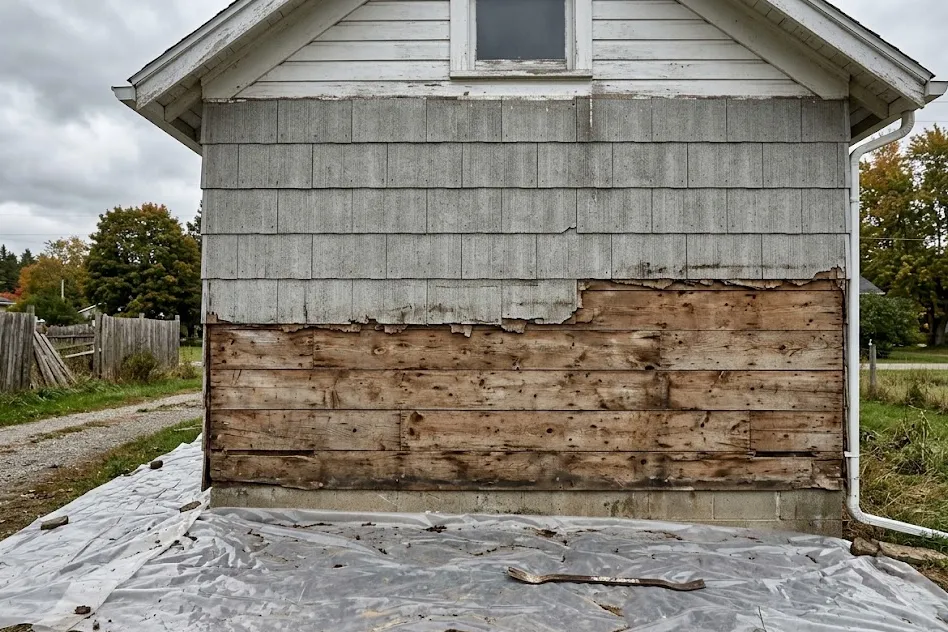
The EPA describes two ways of dealing with damaged asbestos material besides removal, both of which leave the asbestos in place: sealing it (encapsulation) or covering it (enclosure). It says either should be done by a professional trained to handle asbestos, and that removal may be required when a remodel will disturb the material or when it is too damaged to repair (EPA).
| Option | Cost per sq ft | What the sources say |
|---|---|---|
| Leave it alone | $0 | Best for siding in good condition (MDH, EPA) |
| Encapsulate (seal or paint) | $2 – $6 | Allowed in some states; check local laws first (HomeGuide) |
| Cover over with new siding | $3 – $12 for vinyl installed | “Sometimes” possible; check local building codes (MDH). HomeGuide calls it illegal or uncommon |
| Remove | $5 – $15 | May be required when a remodel will disturb it (EPA) |
Encapsulation. HomeGuide says most states require asbestos siding to be removed but some allow it to be coated with a special paint that keeps fibers from being released (HomeGuide, older guide, October 2023). This Old House prices sealing asbestos materials at $2 to $6 per square foot, or $115 per gallon of sealant, and suggests asking your contractor whether it is appropriate for your material (This Old House). The asbestos stays on the house, so you will still face removal if you remodel later.
Covering over. New siding can only be fastened by going through or around the old layer, and the EPA’s list of don’ts for homeowners includes drilling holes in asbestos-containing materials (EPA). HomeGuide warns that drilling through the old siding to attach new siding can release fibers, that covering it stops you from watching for deterioration, and that where it is legal, insulated foam sheathing should go over the old siding first (HomeGuide, older guide, October 2023). Fixr notes that asbestos siding was sometimes simply covered with new siding, so if you find a second layer under your current siding, you can likely assume the bottom one contains asbestos and should have it tested (Fixr, older guide, August 2022). Check your local building code first, as MDH advises.
New siding after removal
Removal leaves bare sheathing, so most projects end with new siding, and that is a separate bill. HomeGuide prices new siding separately from asbestos removal, and Angi says its removal range does not account for it (HomeGuide, older guide; Angi). Our siding replacement cost guide breaks down every material; the two most common choices are below.
| New siding, installed | HomeGuide | Fixr | Angi (after asbestos removal) |
|---|---|---|---|
| Vinyl | $4 – $12 per sq ft | $3 – $12 per sq ft | $4 – $12 per sq ft |
| Fiber cement | $6 – $15 per sq ft | $5 – $14 per sq ft | $6 – $15 per sq ft |
| Full asbestos siding replacement, removal plus new siding | not listed | not listed | $15,000 – $27,000 |
Angi puts the average cost to replace asbestos siding at $19,000, with most homeowners paying $16,000 to $22,000 and per-foot prices of $8 to $15 (Angi). That sits below what adding the separate removal and siding ranges above would suggest for a large house, so price both parts on their own when you get quotes.
Our estimate: for 2,000 square feet of siding, removal at HomeGuide’s $7 to $10 ($14,000 to $20,000) plus new vinyl at $3 to $12 ($6,000 to $24,000) comes to roughly $20,000 to $44,000 before testing, permits or repairs. This adds published ranges together; it is not a measured price.
The rules: EPA, OSHA and your state
EPA. The federal asbestos NESHAP sets work practices for renovating and demolishing buildings, but it excludes residential buildings with four or fewer dwelling units, unless houses are demolished or renovated as part of a larger commercial or public project (EPA). The EPA also says federal law does not require people who inspect, repair or remove asbestos in detached single-family homes to be trained and accredited, but some states and localities do, and homeowners should make sure the workers they hire are (EPA).
OSHA. For workers, removing asbestos siding shingles is “Class II” asbestos work under the federal construction standard. When removing cementitious asbestos siding, employers must not cut, abrade or break it unless they can show gentler methods cannot be used; each panel must be sprayed with amended water before removal; unwrapped pieces must be lowered to the ground right away, or bagged or wrapped and lowered by the end of the shift; and nails must be cut with flat, sharp instruments. Workers removing siding need at least eight hours of training with hands-on practice (OSHA 29 CFR 1926.1101). Those rules are part of what you pay for in a contractor’s price.
States. This is where the rules differ most, so check yours with your state asbestos program before you hire anyone or pick up a pry bar. Three examples:
- Maine: a homeowner living in a single-family home may remove its siding following the state’s procedures, but anyone else you have remove it must be a Maine-licensed asbestos abatement contractor, as must anyone working on multi-family or commercial buildings (Maine DEP).
- Oregon: removing intact, nonfriable cement asbestos material does not require a DEQ license, but the remover must file a notification with a fee at least five days ahead; an owner-occupant working on their own single-family home does not need to file or pay. If the siding breaks or is badly weathered, it counts as friable and must be removed by a DEQ-licensed contractor (Oregon DEQ).
- Minnesota: only an asbestos contractor licensed by the Department of Health may remove, encapsulate or enclose more than 6 square feet of asbestos material in single or multi-family homes, and MDH strongly recommends a licensed contractor for siding (MDH, MDH).
Even where a homeowner may legally do the work, the agencies that allow it recommend against it. Oregon’s DEQ recommends hiring a licensed contractor even for nonfriable projects and says there is no safe level of exposure (Oregon DEQ).
Why you should not break, sand or pressure-wash it
The danger is in the fibers, not the board. The EPA lists lung cancer, mesothelioma and asbestosis as three major health effects of asbestos exposure (EPA), and says asbestos materials may release fibers when they are damaged, removed improperly, cut, sanded, sawed, drilled or scraped. Its advice to homeowners: leave undamaged material alone, and do not saw, sand, scrape or drill it (EPA).
Cement siding is nonfriable while it is intact, but MDH warns that heat, water, weathering and aging can weaken it until it becomes friable, and that removal itself can make it friable; it advises avoiding breaking, sanding, cutting, drilling and sawing (MDH). Oregon bans sanding, sawing, grinding, chipping and power tools on cement asbestos material and requires it to stay wet and intact while it comes off (Oregon DEQ). Maine adds that once siding is significantly broken, drilled or sawed it becomes friable and must be handled by licensed professionals (Maine DEP).
None of the federal or state sources above names pressure washing. Our reading is that blasting the surface with high-pressure water is the kind of disturbance the guidance warns against, so ask an asbestos professional before cleaning, painting or repairing old siding that has not been tested.
How to keep the bill down
- Leave intact siding alone if no remodel will disturb it. MDH and the EPA both say material in good condition is best left in place.
- Test before you assume. Testing costs a few hundred dollars; removal costs thousands.
- Hire an inspector who is independent of the removal company, as the EPA and HomeGuide recommend.
- Ask whether encapsulation is appropriate and legal for your siding (This Old House).
- Check whether your state or local government offers financial help for asbestos abatement; This Old House, HomeGuide and Angi all suggest looking.
- Get several quotes from licensed contractors, and be wary of one far below the rest (This Old House, HomeGuide).
- Make sure every quote includes the same lines: testing, permits, disposal, cleanup and air testing (HomeGuide, Angi).
Questions to ask before you sign
- Can every worker on the job show proof of federal or state-approved asbestos training and accreditation?
- Will you put the work plan, cleanup and the federal, state and local rules you will follow, including notification, handling and disposal, in a written contract?
- How will you keep the siding wet and in whole pieces, and what happens if it breaks?
- Does the price include testing, permits, disposal, cleanup and air testing afterwards?
- Which landfill will take the waste, and will I get a copy of the waste shipment record?
- Will you give me written assurance at the end that all procedures were followed?
The EPA recommends the contract, the proof of training and the written assurance at the end; check the contractor’s record with your local air pollution control board and worker safety agency too (EPA).
Sources
- U.S. Environmental Protection Agency, Protect Your Family from Exposures to Asbestos, Learn About Asbestos and Overview of the Asbestos National Emission Standards for Hazardous Air Pollutants (NESHAP).
- Occupational Safety and Health Administration, 29 CFR 1926.1101, Asbestos (construction).
- Maine Department of Environmental Protection, Asbestos Siding Removal.
- Oregon Department of Environmental Quality, How to Remove Nonfriable Cement Asbestos Materials (PDF, undated).
- Minnesota Department of Health, Roofing and Siding and What Other Contractors Need to Know, both updated May 22, 2025.
- HomeGuide, Siding Repair Cost, updated February 9, 2026; Siding Cost, October 29, 2025; older guides Asbestos Siding Removal Cost, October 3, 2023, and Asbestos Removal Cost, October 2, 2023.
- Angi, How Much Does It Cost to Remove Asbestos Siding?, updated December 4, 2025, and How Much Does It Cost to Replace Asbestos Siding?, updated August 11, 2025. Archived copies of December 7 and August 27, 2025; angi.com blocks automated access.
- This Old House, How Much Does Asbestos Removal Cost?, updated April 1, 2026.
- Fixr, Siding Replacement Cost, updated January 23, 2026; older guide Asbestos Removal Cost, August 18, 2022.