$8,000 – $18,000That is the average fire damage restoration cost in 2026, or $4 to $7 per square foot of the home (HomeGuide). Angi uses the same $4 to $7 per square foot rate. A small fire that leaves mostly smoke and soot sits at the low end. A fire that burns through framing, wiring or the roof moves the job into repair and rebuilding, which is priced separately and can cost far more.
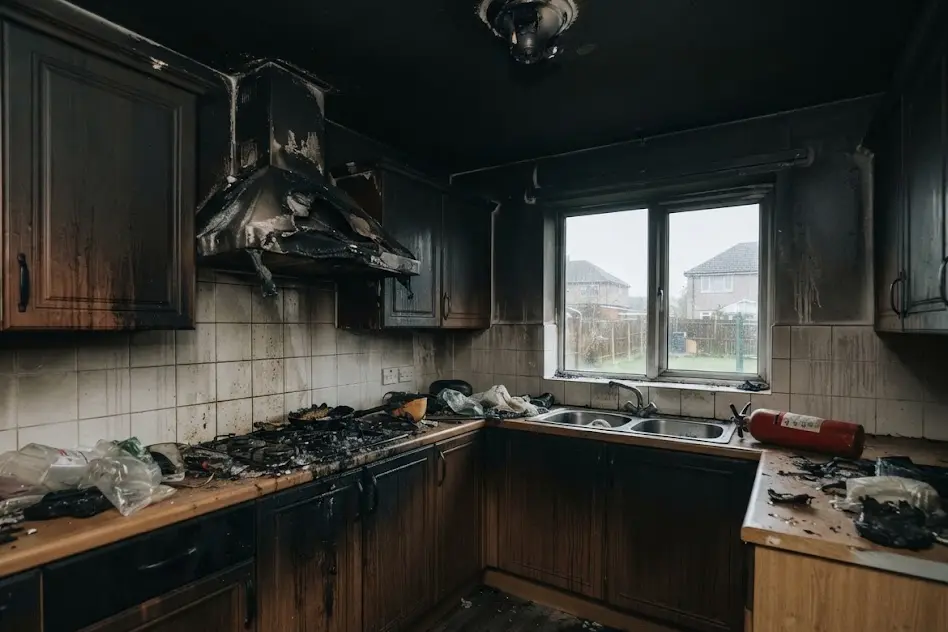
A house fire causes several kinds of damage at once: smoke and soot on every surface, water from the hoses, heat damage to the structure, and ruined belongings. Each has its own price, and the final bill depends on how many of them you are dealing with. The figures below break the job down so you can read a restoration estimate line by line and know what to ask your insurer.
What the cost guides say
The published guides do not agree on a single national figure, and the gap is large. They measure different things: HomeGuide gives an average for cleanup and restoration, Angi’s range covers everything from minor smoke damage to major fires with structural work, and Thumbtack reports the prices most commonly quoted on its platform.
| Source | Typical range | Average | Per sq ft |
|---|---|---|---|
| HomeGuide (December 2025) | $8,000 – $18,000 | — | $4 – $7 |
| Angi (November 2025) | $3,107 – $51,243 | $27,175 | $4 – $7 (average $5.50) |
| Thumbtack (October 2025) | $4,718 – $6,487 | $5,536 | — |
At the extremes, Angi reports as little as $800 to clean up smoke after a minor cooking fire and as much as $180,000 when a major fire destroys a good part of the home (Angi). Thumbtack puts recovery after a small fire at $3,500 to $5,000 and notes that jobs needing a new roof or restored kitchen cabinets can reach $50,000 (Thumbtack).
Fire damage restoration cost by home size
| Home size | HomeGuide | Angi |
|---|---|---|
| 1,000 sq ft | $4,000 – $7,000 | $4,000 – $7,000 |
| 1,200 sq ft | $4,800 – $8,400 | — |
| 1,500 sq ft | $6,000 – $10,500 | — |
| 1,750 sq ft | — | $7,000 – $12,250 |
| 1,800 sq ft | $7,200 – $12,600 | — |
| 2,000 sq ft | $8,000 – $14,000 | $8,000 – $14,000 |
| 2,500 sq ft | $10,000 – $17,500 | $10,000 – $17,500 |
| 3,000 sq ft | $14,000 – $24,500 | $12,000 – $21,000 |
| 3,500 sq ft or more | $16,000 – $28,000 | — |
| 4,000 sq ft | — | $16,000 – $28,000 |
Both guides build these figures on the same $4 to $7 per square foot rate, and they match up to 2,500 square feet. They part ways for larger homes: at 3,000 square feet HomeGuide lists $14,000 to $24,500 and Angi $12,000 to $21,000 (HomeGuide; Angi). Square footage is only the starting point: HomeGuide lists the extent and type of damage, access to the affected areas, and how much of your belongings can be cleaned rather than replaced among the factors that move the price.
Most of the bill is labor. Angi puts labor at 50% to 70% of the total, and close to 100% for minor jobs such as light smoke damage and deodorizing, which is why prices follow the local cost of living (Angi).
Estimate your fire damage restoration cost
Our estimate: the published ranges above multiplied out for your inputs. Not a quote. Per-square-foot rates from HomeGuide (Dec 2025) and Angi (Nov 2025); total-loss rebuild rate from HomeGuide. Repair lines span the lowest and highest figure of HomeGuide and Angi. Labor share 60%, the midpoint of the 50% to 70% reported by Angi. State adjustment: BLS construction wages (May 2025), applied to an assumed 60% labor share. How we calculate
Our estimate: the calculator multiplies your home size by the $4 to $7 per square foot cleanup rate that HomeGuide and Angi both report, or by HomeGuide’s $180 to $450 per square foot for rebuilding after a total loss. Each optional repair uses the lowest and the highest figure that HomeGuide and Angi give for it in the structural repair table below, so its range is wider than either guide alone. The 60% labor share is the midpoint of Angi’s 50% to 70%. The result is a rough guide built from published averages, not a measured figure or a quote.
Cost by type of fire
What burned matters, because different fuels leave different residues. Ordinary combustibles such as wood, paper and fabric are the most common and the cheapest to clean up. Kitchen grease fires leave more residue (HomeGuide). Angi ranks electrical fires as the most expensive to restore in a home, followed closely by cooking and gas fires (Angi).
| Fire class | What burned | HomeGuide | Angi (2,500 sq ft home) |
|---|---|---|---|
| Class A | Wood, paper, cloth | $8,000 – $14,000 | $9,000 – $14,000 |
| Class K | Cooking oils and fats | $11,000 – $18,000 | $12,000 – $20,000 |
| Class B | Flammable liquids: gasoline, oil, paint, alcohol | $12,000 – $18,000 | $14,000 – $20,000 |
| Class C | Energized electrical equipment and wiring | $10,000 – $20,000 | $12,000 – $23,000 |
| Class D | Combustible metals, mostly industrial | $15,000 – $25,000 | $16,000 – $25,000 |
Smoke, soot and odor removal costs
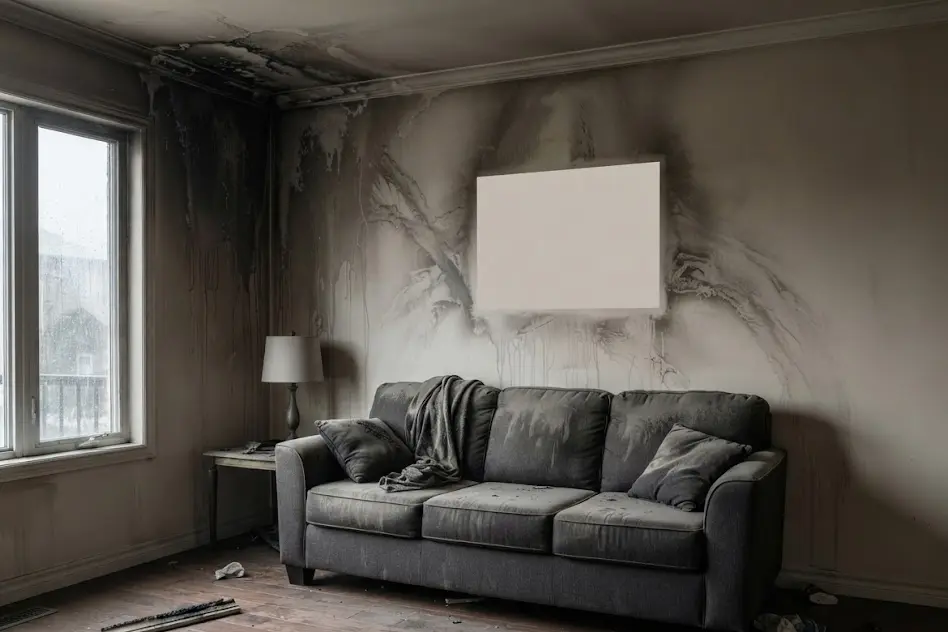
Smoke and soot usually reach far more of the house than the flames did. They leave a film on walls, ceilings and belongings that has to be cleaned and deodorized to remove stains and odors (HomeGuide).
| Service | HomeGuide | Angi |
|---|---|---|
| Smoke and soot removal (walls, ceilings and contents) | $500 – $5,000 | Soot: $2,000 – $6,000 Smoke: $200 – $1,200 per room |
| Ozone shock treatment (ozone gas against smoke odor) | $300 – $1,000 | $400 – $800 |
| Thermal fogging (deodorizing fog) | $200 – $600 per floor | $200 – $600 |
| Duct cleaning (soot and debris in the air ducts) | $300 – $1,000 | $250 – $500 |
| Deodorizing furniture (upholstery and cushions) | $300 – $1,000 | $200 – $1,000 |
The two guides are close on odor treatments and duct cleaning, but not on soot: Angi’s soot removal range starts at $2,000, four times HomeGuide’s low end for smoke and soot together. Angi also notes that cleaning the ducts helps keep the HVAC system from carrying smoke odor and soot into rooms the fire did not reach (Angi).
Our estimate: a fire that left smoke through the house but no structural damage, needing soot cleaning, one ozone treatment and duct cleaning, would add up to roughly $1,100 to $7,000 with HomeGuide’s figures, or $2,650 to $7,300 with Angi’s (using its soot removal line), before contents and any water damage. These are sums of the low and high ends of the three ranges from each guide in the table above, not measured figures; your house may need fewer or more services.
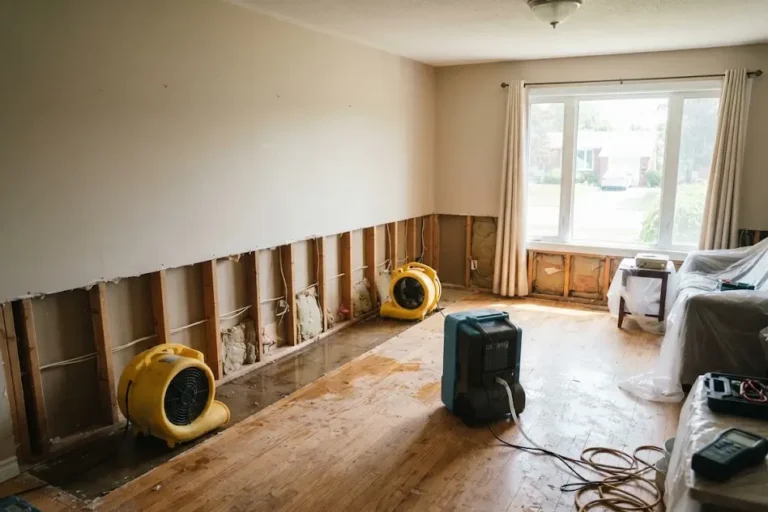
Water damage from firefighting
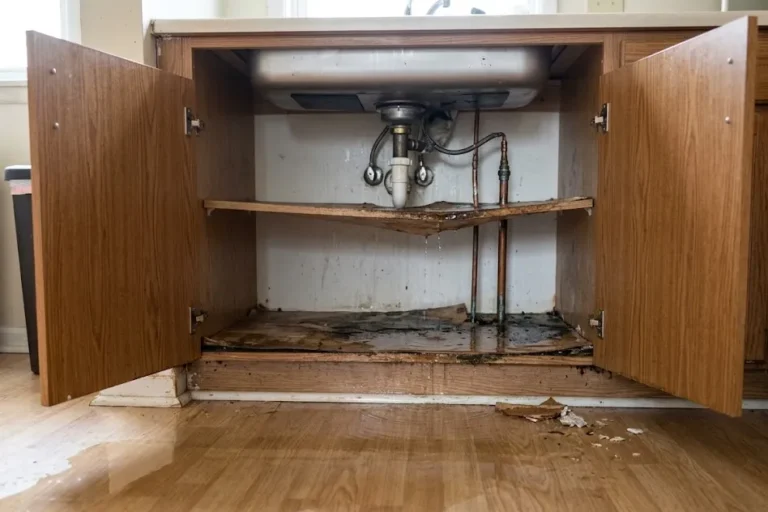
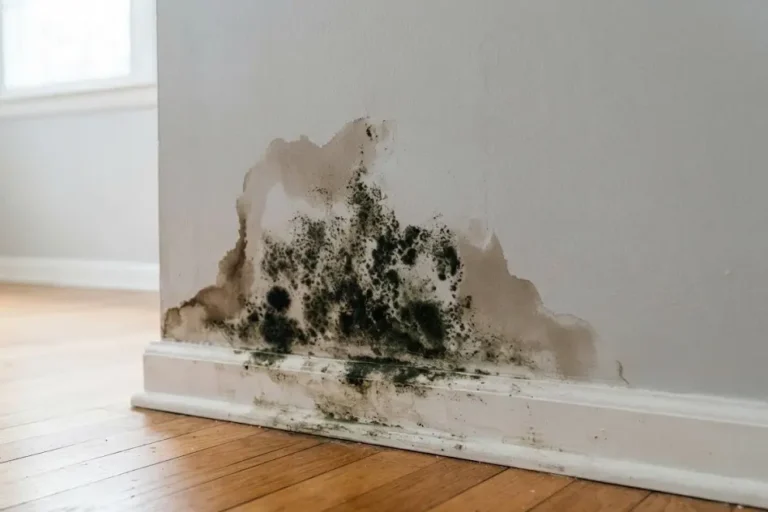
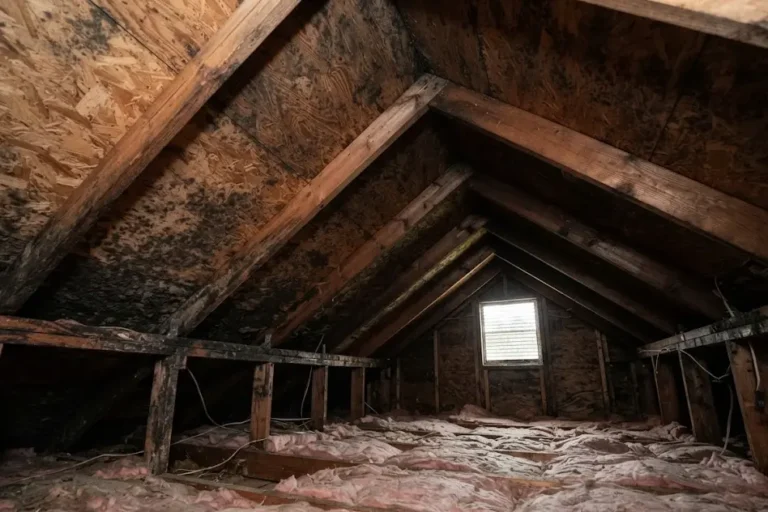
The water used to put the fire out does its own damage. The restoration company has to extract it and dry the structure completely to keep mold from growing, which typically adds $2,000 to $6,000 to a fire job (HomeGuide). Angi puts water damage cleanup after a fire at $1,000 to $6,000, covering standing water removal, drying, cleaning and sanitizing, and tearing out carpet, drywall and insulation that cannot be saved; it warns that mold can start growing within 24 hours (Angi). Because smoke, soot and water damage happen together, restoration crews tackle them at the same time during the cleanup.
Structural repair costs
Heat can weaken wood, concrete, metal and wiring. Once the cleanup is done, anything the fire compromised has to be repaired or replaced, and these lines are often larger than the restoration itself (HomeGuide).
| Repair | HomeGuide | Angi |
|---|---|---|
| Structural inspection | $350 – $900 | — |
| Electrical repair | $2,000 – $6,000+ | $900 – $3,000 |
| Floor repair | $2,000 – $20,000+ | $400 – $20,000 |
| Roof repair | $3,000 – $6,000 | $400 – $1,800 |
| Roof replacement | $6,000 – $16,000 | $5,900 – $12,800 |
| Foundation repair | $4,500 – $20,000 | $2,200 – $7,800 |
| Drywall installation | $8,000 – $30,000 | $1,000 – $3,000 |
| Kitchen repair | $15,000 – $50,000 | $14,600 – $41,300 |
This is where the guides disagree most. For drywall, HomeGuide’s range is several times Angi’s, and for roof repair HomeGuide’s low end is above Angi’s high end. Kitchen repair and roof replacement are much closer. Neither guide explains the gap, so treat the repair lines as a wide band and judge each quote on its own itemized scope rather than against one guide’s number.
When a fire damages the roof beyond patching, our guide to roof replacement cost covers the options in more detail. For partial repairs, rebuilding can start around $50 per square foot; when the house is a total loss, rebuilding runs about $180 to $450 or more per square foot (HomeGuide).
Contents cleaning and replacement
Some belongings can be cleaned; others are unsafe or not worth saving. Items commonly thrown out after a fire, even when they look undamaged, include electrical equipment, burned textiles, upholstered furniture, mattresses, cosmetics, medicines and food (HomeGuide).
| Item | Average cost |
|---|---|
| Removal of unsalvageable items | $50 – $125 per pound (HomeGuide) $50 – $100 per pound (Angi) |
| Pantry items | $200 – $500+ |
| Toiletries, cosmetics, medicines | $200 – $500 |
| Bedding and mattresses | $1,000 – $2,000+ |
| Furniture | $2,000 – $5,000+ |
| Appliances | $2,000 – $6,000 |
| Electronics | $500 – $5,000+ |
| Clothing, per person | $3,000 – $5,000 |
Before you go back inside
Federal guidance on the first steps after a home fire is short and clear (Ready.gov):
- Check with the fire department that the home is safe to enter.
- Do not reconnect utilities yourself. The fire department should make sure they are safe to use or disconnected before leaving.
- If you need temporary housing, food or medicines, contact a local disaster relief service such as the Red Cross.
The California Department of Insurance lists the hazards to watch for when you return: downed trees and power lines, propane tanks and gas lines, chemicals and toxic ash (California Department of Insurance).
Insurance and fire damage claims
If you are insured, protecting the claim starts before any cleanup. Ready.gov recommends making an inventory of damaged property before throwing anything away, keeping receipts for every expense related to the fire, since your insurer and your income tax filing may need them, and notifying your mortgage company (Ready.gov).
Check whether your policy includes additional living expense coverage, also called loss of use. It pays the extra cost of living elsewhere while the home is unsafe: temporary housing, food, utility setup at the temporary residence, extra transportation, relocation, storage and furniture rental. You may have to account for those expenses, so keep the bills (California Department of Insurance). How long this coverage lasts depends on your policy and your state. California sets its own minimums after a declared state of emergency, and the department warns that some policies have a dollar limit that can run out first.
How to keep the bill down
- Start quickly. HomeGuide recommends hiring a restoration company as soon as possible, usually within 48 hours, to limit further damage.
- Get a structural inspection first, so the estimate is built on what actually needs repair.
- Ask for itemized estimates from 2 to 3 companies and compare scope, not just totals.
- Inventory damaged items before anything is thrown away, so your claim can include them.
- Give the restoration estimate to your insurer and confirm what your policy covers before work starts.
Questions to ask before you sign
- Are you licensed, insured and bonded in my area?
- Are your technicians certified by the Institute of Inspection, Cleaning and Restoration Certification (IICRC)?
- Does the estimate break down cleaning, water drying, odor treatment, contents and repairs separately?
- How will you handle and store my belongings during the work?
- Do you bill my insurance company directly, and what do I owe if the claim pays less than the estimate?
- What is the timeline, and how will you keep me updated?
Sources
- Ready.gov (FEMA), Home Fires, section “After a Fire”.
- California Department of Insurance, Insurance coverage for additional living expenses if the home is not habitable due to a wildfire, 2025 consumer alert.
- HomeGuide, How Much Does Fire Damage Restoration Cost?, December 1, 2025.
- Angi, How Much Does Fire Damage Restoration Cost?, updated November 4, 2025. The live page blocks automated access; the link is an archived copy of December 13, 2025.
- Thumbtack, How much does fire damage restoration cost?, updated October 17, 2025.