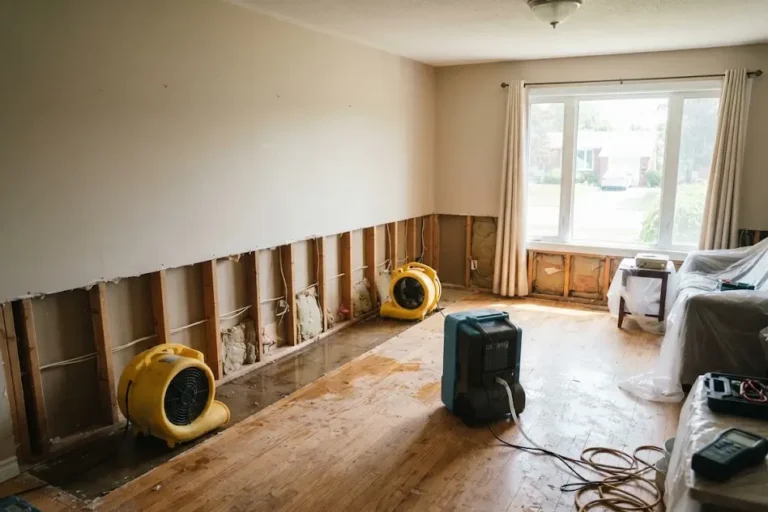
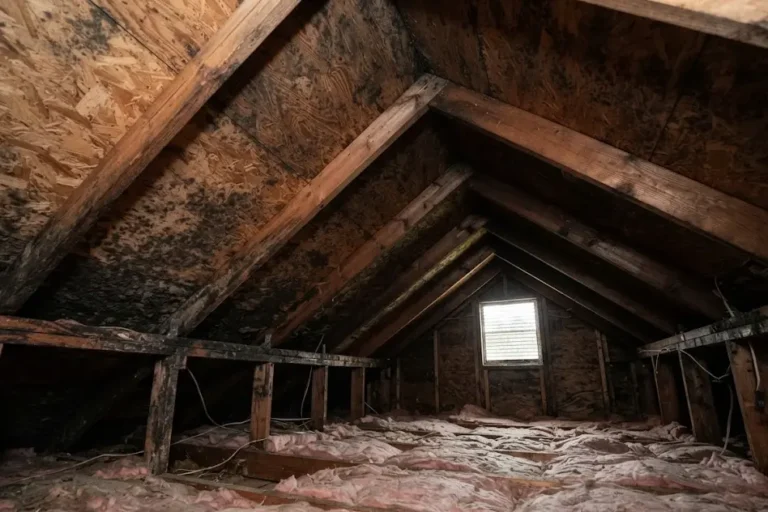
$800 – $10,000That is the typical black mold removal cost in 2026 across the national cost guides that price black mold on its own: Fixr puts it at $800 to $7,000 and HomeGuide at $2,000 to $10,000. Both place it at or near the top of their mold price lists, but they disagree widely at the low end. Federal health agencies say the color and species should not change how mold is removed, so what really sets your bill is how much material is affected, where it is, and what caused the water problem.
Finding a dark, greenish-black patch on a wall is alarming, and “black mold” is a phrase that tends to raise quotes. This guide sets out what remediation companies charge, what the CDC and EPA actually say about black mold, and where the money goes, so you can tell a fair quote from a scare price.
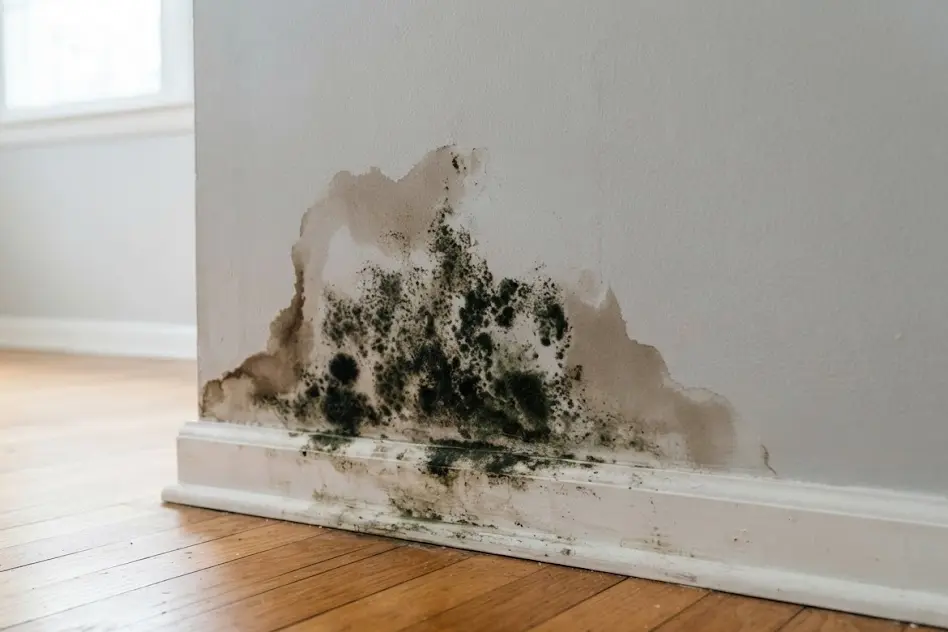
Black mold removal cost compared with other molds
| Mold as named on the quote | HomeGuide (Feb 2026) | Fixr (Aug 2025) |
|---|---|---|
| Black mold (Stachybotrys chartarum) | $2,000 – $10,000 | $800 – $7,000 |
| Chaetomium | $1,800 – $7,000 | $600 – $5,000 |
| Serpula lacrymans (dry rot) | $1,500 – $7,000 | $800 – $7,000 |
| Fusarium | $1,500 – $6,000 | $800 – $8,000 |
| Penicillium (“green mold”) | $1,500 – $6,000 | $700 – $6,000 |
| Cladosporium | $1,500 – $6,000 | $700 – $6,000 |
| Alternaria | $1,500 – $6,000 | $700 – $6,000 |
| Aureobasidium | $1,500 – $6,000 | Not listed |
| Aspergillus | $500 – $4,000 | $700 – $6,000 |
Our estimate: the $800 to $10,000 headline range is the lowest low and the highest high of the two black mold ranges above (Fixr’s $800 and HomeGuide’s $10,000). It spans both guides rather than averaging them, and it is our combination, not a measured price.
The two guides do not agree on how big the black mold premium is. In HomeGuide’s list, black mold starts $500 above most common molds and tops out $4,000 higher. In Fixr’s, it starts only $100 above most of them, tops out $1,000 higher, and Fusarium reaches a higher ceiling. HomeGuide explains its higher price by saying some molds resist treatment and may need extra chemicals, specialized equipment or several treatment methods (HomeGuide). Fixr says black mold can be difficult to remediate and that stained surfaces may need replacement or extra bleaching, while noting that most mold removals cost a similar amount and toxic forms cost slightly more because of safety equipment (Fixr).
This Old House, whose cost figures come from Angi, does not list a separate black mold price. It puts professional mold remediation in general at $1,200 to $3,750, with an average of $2,300, and says the per-square-foot rate depends on mold type, location and complexity (This Old House). Read the table above as what the market charges, not as what the job requires. The next section explains why.
Black mold vs regular mold: what the CDC and EPA say
The CDC describes Stachybotrys chartarum as a greenish-black mold that grows on materials high in cellulose, such as fiberboard, gypsum board and paper, and that needs constant moisture to grow. Its position on removal is direct: it is not necessary to determine what type of mold you have, and “all molds should be treated the same” with respect to potential health risks and removal (CDC, Facts About Stachybotrys chartarum).
The CDC’s general mold page says mold can look like spots of many different colors, that if you see or smell mold you should remove it, and that you do not need to know the type. It also notes that the most common indoor molds are Cladosporium, Penicillium and Aspergillus (CDC, Mold). The EPA makes the same point from the other side: molds come in many colors, none of them grow without moisture, and if you clean up mold without fixing the water problem, the mold will most likely come back (EPA, A Brief Guide to Mold, Moisture and Your Home).
On health, the CDC says exposure to damp and moldy environments may cause a variety of effects or none at all: stuffy nose, sore throat, coughing or wheezing, burning eyes or skin rash for some people, severe reactions in people with asthma or mold allergies, and lung infections in people with weakened immune systems or chronic lung disease. It also states that a link between Stachybotrys and acute idiopathic pulmonary hemorrhage in infants has not been proven (CDC; CDC). If anyone in the home has symptoms, see a doctor; the removal method stays the same either way.
For your budget, this means a quote should be justified by the area, the materials that must be cut out, the containment needed and the location, not by the word “black” alone. If one company quotes a black mold premium and another prices the same area without it, ask the first what it will do differently.
What drives the price: location and size
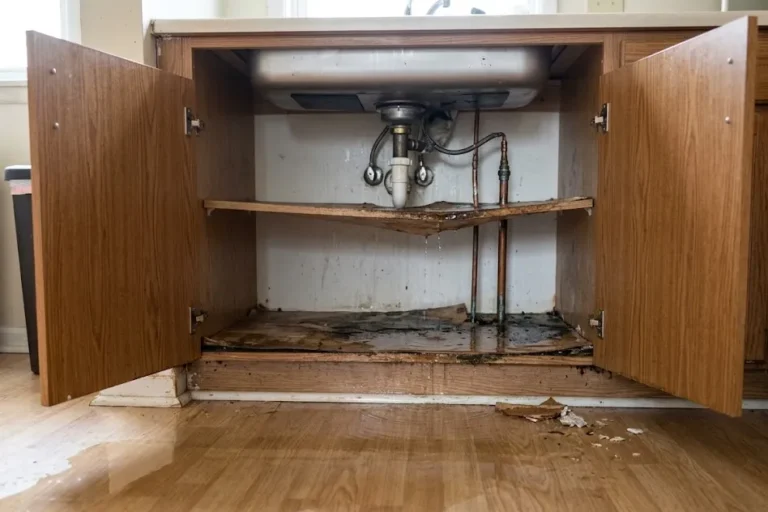
Because Stachybotrys grows on cellulose-rich materials like gypsum board and paper (CDC), it usually turns up where drywall stayed wet: behind a leaking bathroom fixture, on basement walls, or around a pipe inside a wall. Where it grows matters more than its color. The guides price mold removal by location like this:
| Location | HomeGuide (Feb 2026) | Fixr (Aug 2025) | This Old House (Mar 2026) |
|---|---|---|---|
| Bathroom | $500 – $2,000 | $500 – $1,500 | $500 – $1,000 |
| Crawl space | $1,500 – $4,000 | $500 – $2,000 | $500 – $2,000 |
| Basement (partial) | $1,500 – $6,000 | $1,500 – $4,000 | $500 – $3,000 |
| Attic (partial) | $1,500 – $6,000 | $1,500 – $9,000 | $1,000 – $4,000 |
| Walls | Not listed | $1,000 – $12,000 | Not listed |
| HVAC system / ducts | $2,000 – $10,000 | $3,000 – $10,000 | $3,000 – $10,000 |
| Whole house | $15,000 – $30,000 | $10,000 – $30,000 | $10,000 – $30,000 |
| Per square foot | $15 – $30 | $10 – $30 | $10 – $25 |
The three guides agree closely on HVAC systems and whole-house jobs. They differ most on crawl spaces and basements, where HomeGuide’s ranges start at $1,500 and This Old House’s start at $500. Behind those numbers:
- Bathroom: surface mold on hard bathroom surfaces is the easiest type to remove; the bill rises when a broken pipe has soaked the wall, floor or subfloor and those materials must be replaced (HomeGuide). This Old House says visible surface mold may cost no more than $500 (This Old House).
- Basement: HomeGuide prices a small area of 10 to 100 square feet, such as the corner of a room, at $500 to $1,500 (HomeGuide). Fixr says most basement mold areas measure 100 to 300 square feet (Fixr).
- Drywall: porous materials such as ceiling tiles and carpet may have to be thrown away, because mold fills their crevices and can be difficult or impossible to remove completely (EPA). Replacing drywall runs $1.50 to $3.50 per square foot, plus $1 to $3 per square foot to paint it (HomeGuide). Fixr calls wall mold some of the most expensive remediation and says it is commonly tied to leaking pipes (Fixr).
- HVAC system and ducts: cheapest for radiant systems and most expensive for central air. This Old House puts radiant systems at $1,500 to $5,000, furnace and air handler systems at $3,000 to $5,000, and central air conditioners at up to $10,000 (This Old House). The EPA says not to run the HVAC system if you know or suspect it is contaminated, because it could spread mold through the building (EPA).
By area, HomeGuide puts remediation at $15 to $30 per square foot (HomeGuide), Fixr at $10 to $30 (Fixr) and This Old House at $10 to $25, adding that small areas tend to land at the high end of the per-foot range because of minimum labor fees (This Old House). Labor is the biggest share: Fixr says about 60% of the cost is labor and 40% materials (Fixr), and This Old House says labor often makes up more than half (This Old House).
Our estimate: a 50-square-foot patch of black mold on basement drywall, priced at the guides’ $10 to $30 per square foot, would come to about $500 to $1,500 (50 × $10 and 50 × $30). That is under HomeGuide’s $2,000 floor for “black mold” and straddles Fixr’s $800 floor, which is why the area measurement is worth checking on any quote. This is our calculation, not a measured price.
Estimate your black mold removal cost
Enter the affected area and pick a guide’s per-square-foot rate. The calculator does not add a black mold surcharge, because none of the three guides publishes a per-square-foot rate for black mold, and the CDC says the type does not change how mold is removed.
Our estimate: the published ranges above multiplied out for your inputs. Not a quote. Ranges from HomeGuide (Feb 2026), Fixr (Aug 2025) and This Old House (Mar 2026, Angi data). These are rates for mold in general. The inspection range spans HomeGuide and Fixr; labor share from Fixr. State adjustment: BLS construction wages (May 2025), applied to an assumed 60% labor share. How we calculate
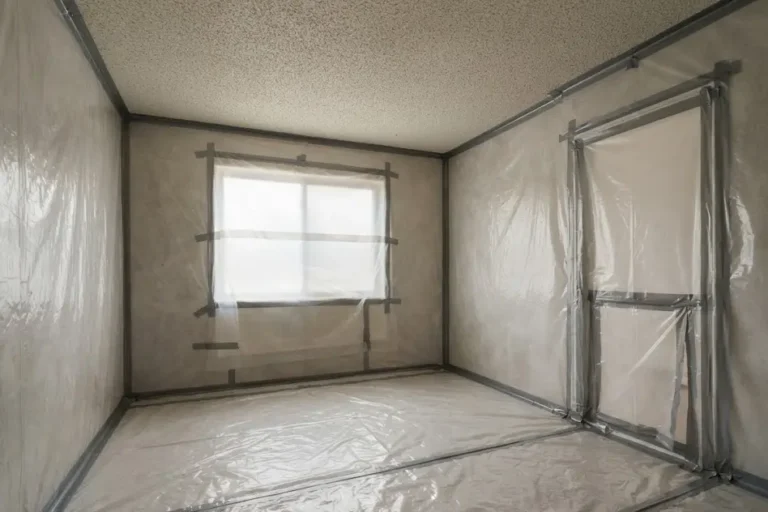
The drywall and painting lines assume the whole affected area is cut out and replaced; leave them off if the mold is only on hard surfaces.
Other costs that come with the job
| Item | HomeGuide (Feb 2026) | Fixr (Aug 2025) |
|---|---|---|
| Remediation labor | $75 – $120 per hour | $75 – $120 per hour |
| Mold inspection | $300 – $650 (average home); up to $1,000 (large home, widespread growth) | $450 – $800 |
| Inspection plus remediation, average home | Not listed | $1,950 – $5,800 |
| Air duct cleaning | $200 – $1,000 | Not listed |
| Duct sanitizing, added to cleaning | $70 – $150 | Not listed |
| Repairing mold damage after remediation | Not listed | $75 – $3,000 |
| Basement dehumidifier, installed | $1,100 – $2,800 | Not listed |
| Sump pump, installed | $600 – $2,500 | Not listed |
| Fixing the moisture source | $6,000 – $18,000 (basement waterproofing) | $150 (small leak) to $7,000 (waterproofing or sealing a basement) |
HomeGuide also lists air scrubbers, dehumidifiers, HEPA vacuums, protective gear, cleaning agents and sealants as cost drivers on larger jobs, and notes that some companies charge extra fees to dispose of contaminated materials. Small and medium jobs take 1 to 3 days on average, and large ones up to 7 days before any rebuilding (HomeGuide). Fixr gives a wider span, from a few hours to several weeks depending on the amount of mold, its cause and the damage, and says some companies waive the inspection fee or include it when they also do the remediation (Fixr).
The dehumidifier, sump pump and waterproofing lines are not part of removal, but they address the moisture that let the mold grow. The CDC recommends keeping indoor humidity no higher than 50% and fixing leaks in the roof, walls or plumbing (CDC). If the mold is in a crawl space, see our guide to crawl space encapsulation cost; if a roof leak caused it, our roof replacement cost guide covers the bigger repair.
Do you need a black mold test?
Usually not. The CDC says it does not recommend mold testing: health effects differ from person to person, good sampling can be expensive, there are no set standards for acceptable amounts of mold in a home, and no matter what type of mold is present, you need to remove it (CDC). It adds that no test exists that proves an association between Stachybotrys chartarum and particular health symptoms (CDC).
The EPA agrees that sampling is unnecessary in most cases when mold is visible, and that since no federal limits exist, a test cannot show compliance with a federal standard. It does say surface sampling may help confirm that an area was properly cleaned, and that sampling should be done by professionals with specific experience (EPA). So an inspection can be worth paying for when you smell mold but cannot find it; a lab test just to learn whether a visible patch is “black mold” will not change the cleanup.
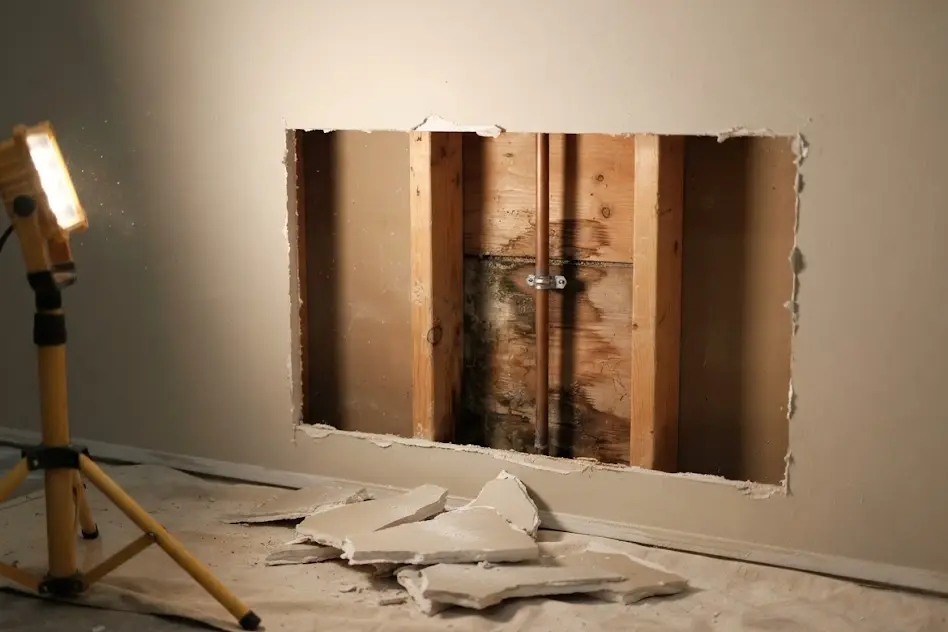
Can you remove black mold yourself?
The EPA’s threshold is size, not species. If the moldy area is less than about 10 square feet, roughly a 3 ft by 3 ft patch, in most cases you can handle it yourself. It points to professional guidance when there has been a lot of water damage or the growth covers more than 10 square feet, when the HVAC system may be contaminated, when sewage or other contaminated water caused the damage, and it advises consulting a health professional first if you have health concerns (EPA).
For a small patch, the agencies’ guidance is:
- Fix the leak or water problem first and dry everything completely (EPA).
- Scrub mold off hard surfaces with detergent and water. The CDC also allows household products or a bleach solution of no more than 1 cup of laundry bleach per gallon of water, and warns never to mix bleach with ammonia or other cleaners (CDC).
- Wear an N-95 respirator, long gloves and goggles without vent holes; the EPA puts an N-95 at about $12 to $25 (EPA).
- Do not paint or caulk over mold; clean and dry the surface first (EPA).
- Throw out porous items such as ceiling tiles and carpet that have become moldy (EPA).
The EPA considers the job finished only when the moisture problem is fixed, there is no visible mold or moldy odor, the area shows no new water damage or growth shortly after, and people can use the space without symptoms (EPA).
How to keep the bill down
- Act quickly. The EPA says the longer mold grows, the more damage it can cause, and that drying wet areas within 24 to 48 hours usually prevents growth (EPA).
- Measure the affected area yourself and compare it with the square footage on each quote.
- Skip a lab test to identify the species; the CDC says the type does not change the removal (CDC).
- Ask whether the inspection fee is waived if the same company does the removal; Fixr says some companies waive it or fold it into the job (Fixr).
- Get estimates from at least three companies and confirm they include the same testing, cleanup and containment (HomeGuide).
- Pay for the moisture fix. Otherwise, the EPA says, the mold is likely to come back and you pay twice (EPA).
Questions to ask before you sign
- How many square feet are you pricing, and which materials will you remove rather than clean?
- Is any part of this price a surcharge for the mold type? If so, what will you do differently?
- Do you follow the EPA’s Mold Remediation in Schools and Commercial Buildings guide or ACGIH guidelines, as the EPA recommends asking?
- Does the quote include disposal of contaminated materials, and any testing after cleanup?
- What caused the moisture, and is fixing it part of your scope or someone else’s?
Sources
- Centers for Disease Control and Prevention, Facts About Stachybotrys chartarum, May 29, 2024.
- Centers for Disease Control and Prevention, Mold, September 26, 2024.
- U.S. Environmental Protection Agency, A Brief Guide to Mold, Moisture and Your Home.
- HomeGuide, Mold Removal Cost, updated February 5, 2026.
- Fixr, Mold Remediation Cost, updated August 29, 2025.
- This Old House, How Much Does Mold Remediation Cost?, updated March 11, 2026 (cost data sourced from Angi).