$3,000 – $15,000That is the typical crawl space encapsulation cost in 2026, or about $3 to $10 per square foot. The published cost guides agree on the top of that range, $15,000, and differ on the bottom, from $1,500 to $3,000. Where you land depends on the size of the crawl space and, above all, on what has to be fixed before it can be sealed: standing water, mold or rotten wood can add thousands.
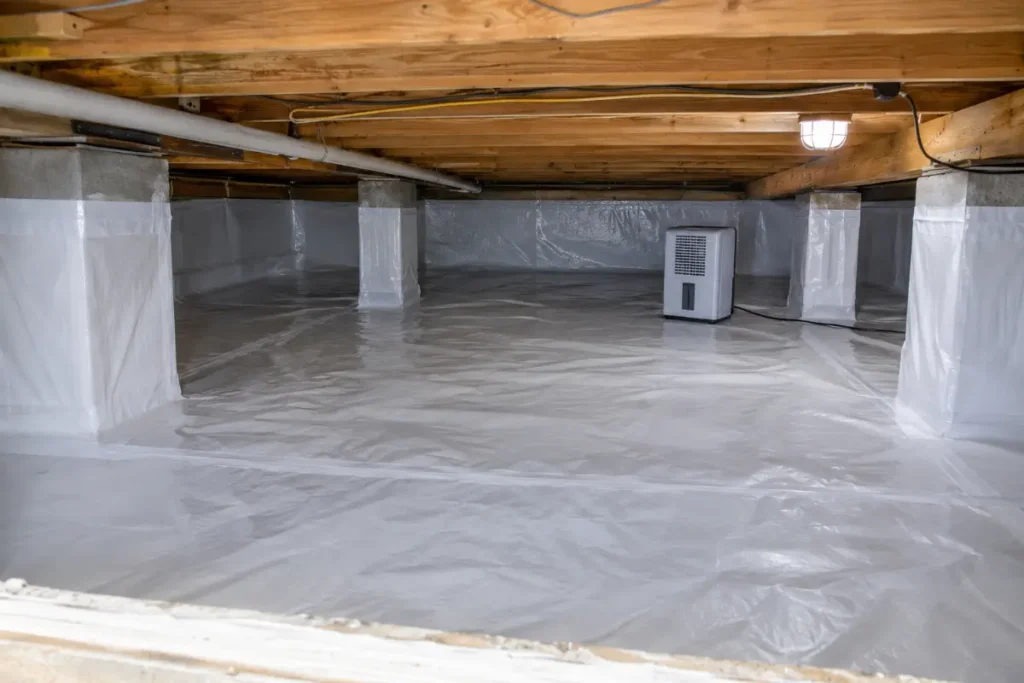
Encapsulation means covering the ground and walls of the crawl space with a heavy plastic barrier, sealing the vents and openings, and controlling the humidity inside, usually with a dehumidifier. The goal is a dry space under the house instead of a damp one.
What the cost guides say
| Source (date) | Typical total | Per sq ft |
|---|---|---|
| HomeGuide (Jan 2026) | $3,000 – $15,000 | $3 – $10 |
| This Old House (Mar 2026) | $1,500 – $15,000 (average $5,500) | $3 – $7, up to $10 with heavy moisture |
| Fixr (Jan 2025) | $2,000 – $15,000 | $2 – $6 |
The three guides line up at the top, $15,000, and on a per-square-foot price that starts around $2 to $3. They split on how high the per-foot price goes: Fixr stops at $6, while HomeGuide and This Old House reach $10 for spaces with serious moisture problems. An older guide from Forbes Home (last verified March 2024) gives a much wider $1,500 to $30,000; we show it for reference only because it predates 2025.
Cost by crawl space size
| Crawl space area | HomeGuide | This Old House |
|---|---|---|
| 1,000 sq ft | $3,000 – $10,000 | $3,000 – $7,000 |
| 1,500 sq ft | $4,500 – $15,000 | — |
| 2,000 sq ft | $6,000 – $20,000 | — |
| 2,500 sq ft | $7,500 – $25,000 | — |
| 3,000 sq ft | $9,000 – $30,000 | — |
The spread within each row is wide because two crawl spaces of the same size can need very different work. A dry, clean, easy-to-reach space sits at the bottom of the range; a wet one with mold and low clearance sits at the top.
Estimate your crawl space encapsulation cost
Use the tables above to estimate your cost. The interactive calculator needs JavaScript.
Our estimate: the calculator multiplies your area by the per-square-foot range of the option you pick ($3 to $7 for a basic job from This Old House, $3 to $10 from HomeGuide, $2 to $6 from Fixr) and adds the pre-work you tick, using the ranges in the tables on this page. It is a rough range built from published averages, not a measured price or a quote.
What the job includes, line by line
| Line | HomeGuide | This Old House | Fixr |
|---|---|---|---|
| Inspection | $100 – $250 | — | — |
| Permit | — | $100 – $250 | — |
| Vapor barrier, installed | $1,200 – $4,000 | — | $1,500 – $4,000 |
| Insulation | $500 – $3,700 | $0.60 – $3.50 per sq ft | $1,000 – $3,500 |
| Sealing vents and holes | $150 – $450 | $10 – $22 per vent | — |
| Dehumidifier, installed | $1,000 – $3,500 | $800 – $2,000 | — |
| Cleaning or repairs, if needed | $500 – $8,000 | — | $500 – $2,500 (cleaning) |
The barrier itself is cheap as a material: HomeGuide puts it at about $0.30 to $0.70 per square foot, depending on thickness from 6 to 20 mil. Installed, it runs about $2 to $4 per square foot. This Old House gives a similar material price, from $0.05 to $0.20 per square foot for the thinnest sheet up to $0.40 to $0.60 for 20 mil, plus $18 to $50 per roll of seam tape. The guides also disagree on the dehumidifier: This Old House tops out at $2,000 installed, HomeGuide at $3,500. Most of what you pay for is labor in a cramped, dirty space, plus the equipment that keeps it dry afterwards.
For reference, the Department of Energy’s baseline for a crawl space is a 6-mil polyethylene sheet across the whole floor, with seams overlapped by 12 inches and taped, and the sheet sealed 6 inches up the walls. It also lists sloping the ground away from the foundation as a basic moisture step (U.S. Department of Energy). Thicker barriers cost more and resist foot traffic and tears better; a quote should say which thickness you are getting and how far up the walls it goes.
The work that has to come first
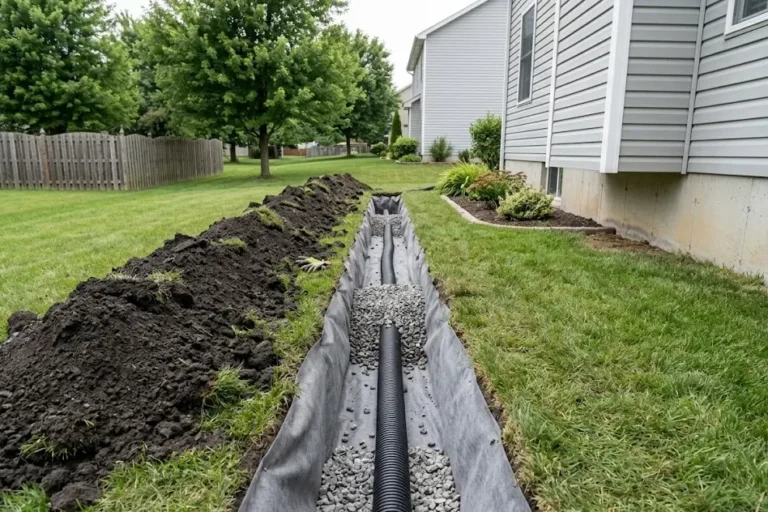
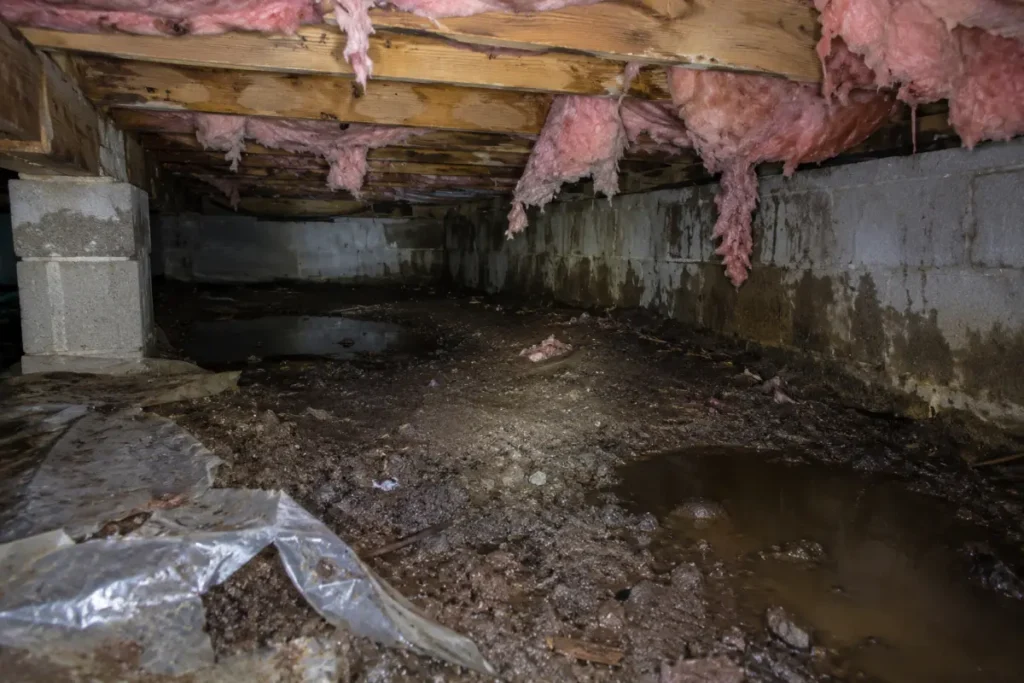
Sealing a wet crawl space traps the water in. Any of these problems has to be solved before the barrier goes down, and they are where quotes grow:
| Problem | HomeGuide | Other guides |
|---|---|---|
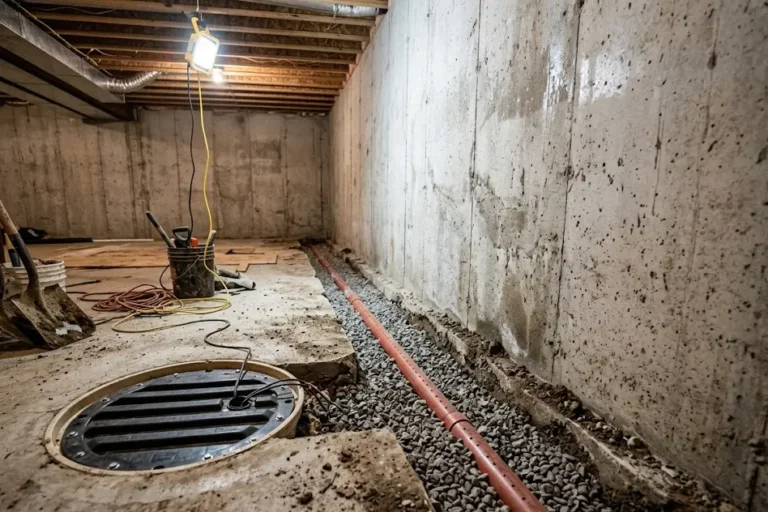
| Standing water: drain and pump | $800 – $3,000 | $600 – $1,800 drainage system (This Old House); $2,000 – $10,000 water problems (Fixr) |
| Mold remediation in the crawl space | $1,500 – $4,000 | $500 – $2,000 (Fixr) |
| Removing old insulation | $1 – $2 per sq ft | — |
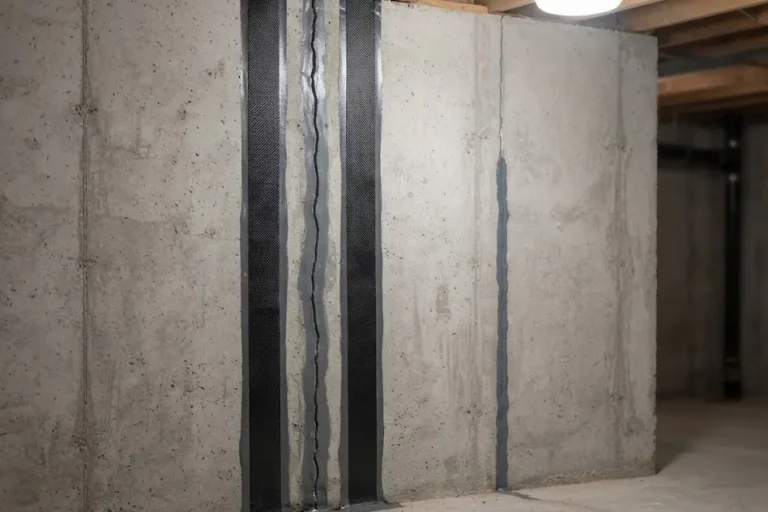
| Minor foundation cracks | $250 – $800 | $250 – $1,000 (Fixr) |
| Rotten wood | — | $750 – $5,000 (Fixr) |
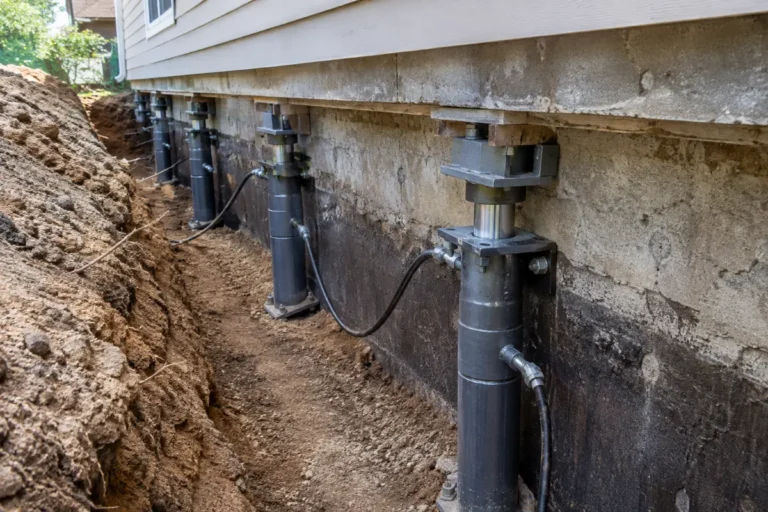
| Moderate foundation repair | — | $2,000 – $7,000 (This Old House) |
| Major foundation repair | $4,500 – $20,000 | — |
On mold, the EPA’s rule of thumb is size: a patch under about 10 square feet is usually something a homeowner can clean; beyond that, or after serious water damage, it recommends following professional remediation guidance (EPA). In a crawl space, mold is rarely a small patch.
What the labor line pays for
The median insulation worker in the United States earned $24.68 an hour in May 2025, according to the Bureau of Labor Statistics. A crawl space crew works lying down or crouched, moving rolls of barrier and sometimes a dehumidifier through a small access hatch. That is why a tight space with low clearance costs more to seal than an open one of the same size.
Does it pay for itself?
You will often read that encapsulation cuts energy bills by 10% to 30% and pays for itself in 7 to 10 years. We could not find a government or independent study behind those numbers, so we do not use them. Treat them as sales figures until a contractor shows you the source.
What is well established is the moisture side. The EPA recommends keeping indoor humidity below 60%, ideally between 30% and 50%, to keep mold from growing, and notes that a humidity meter costs about $10 to $50 (EPA). A crawl space that sits well above that range is the real case for encapsulation.
How to run your own numbers: payback in years = project cost ÷ yearly savings. As an illustration only: a $8,000 job in a house that spends $1,500 a year on heating and cooling would need to save about 36% of that bill to pay back in 15 years. The $1,500 bill is an assumed example, not a national figure. Use your own utility bills, and you will see why energy savings alone rarely justify the project. Moisture, mold and rot usually do.
Signs your crawl space needs it
- Standing water or wet soil under the house after rain.
- Mold on joists, a musty smell in the rooms above, or condensation on pipes and ducts.
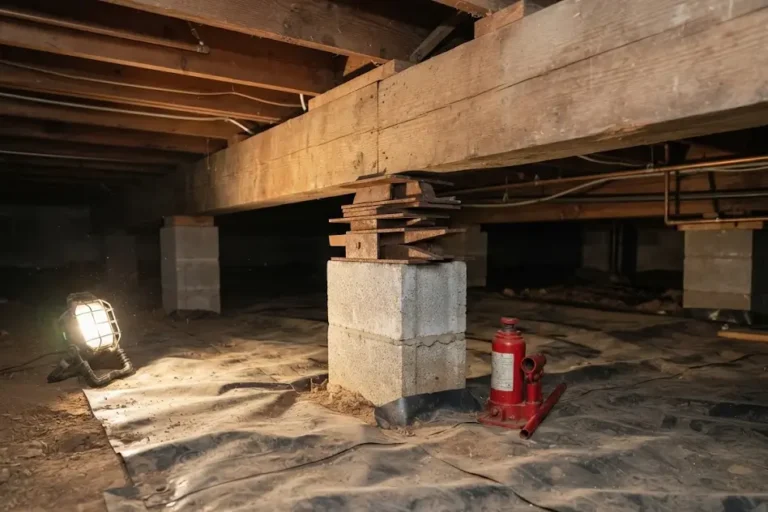
- Soft, sagging or bouncy floors, which can point to damp or rotting wood.
- Insulation hanging down or soaked between the floor joists.
- A humidity reading under the house that stays above 60%.
How to keep the bill down
- Measure first. A $10 to $50 humidity meter left in the crawl space for a few weeks tells you whether you have a problem at all.
- Fix outside water before paying for inside work: gutters, downspouts and ground that slopes toward the house.
- Clear out debris and stored items yourself before the crew arrives, if it is safe to do so.
- Ask for the barrier thickness in mils. Compare quotes on the same thickness, not just the total.
- Get at least three written quotes that price the pre-work (drainage, mold, old insulation) separately from the encapsulation.
Questions to ask before you sign
- What humidity did you measure in my crawl space, and what will it be after the job?
- Where is the water coming from, and does your price fix the source or only cover it?
- How thick is the barrier, and is it sealed to the walls and piers or only laid on the ground?
- Does the price include a dehumidifier, and what does it cost to run and maintain?
- Will this affect my termite inspections or warranty?
Sources
- U.S. Environmental Protection Agency, A Brief Guide to Mold, Moisture and Your Home.
- U.S. Department of Energy, Energy Saver, Moisture Control. The page has been removed from energy.gov; the link is the archived copy of January 17, 2026.
- U.S. Bureau of Labor Statistics, Occupational Outlook Handbook: Insulation Workers, pay data for May 2025.
- HomeGuide, Crawl Space Encapsulation Cost, January 2026.
- This Old House, How Much Does Crawl Space Encapsulation Cost?, updated March 13, 2026.
- Fixr, Crawl Space Repair Cost, updated January 31, 2025.
- Forbes Home, How Much Does Crawl Space Encapsulation Cost?, last verified March 27, 2024 (older than 2025; reference only).