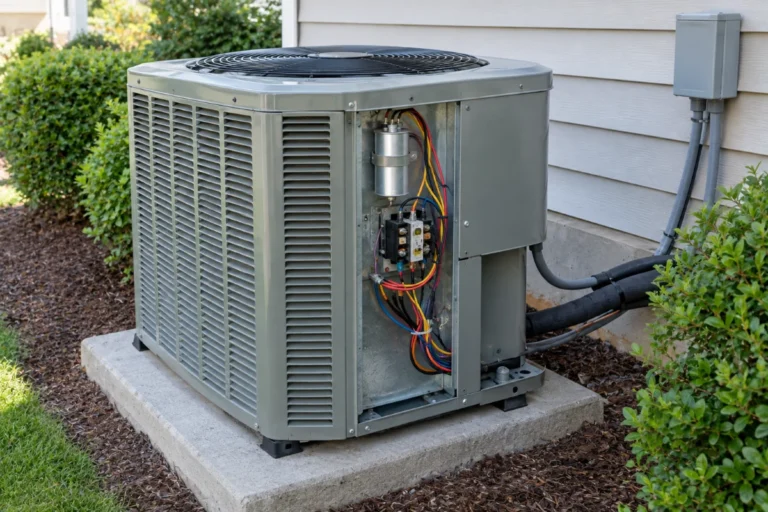
$70 – $200That is what one professional tune-up typically costs in 2026, and the short answer to how often to service HVAC equipment is once a year for each system: the cooling side in spring and the heating side in fall, as ENERGY STAR recommends. A central AC visit runs $70 to $200 in all three guides we checked, HomeGuide (July 2025), Fixr (January 2026) and This Old House (June 2026); a furnace visit costs the same in two of them, and up to $300 in Fixr. The job you do yourself is the air filter, which ENERGY STAR says to check once a month.
Heat pumps, ductless mini-splits and boilers follow slightly different schedules, and gas or oil equipment carries a safety reason for yearly service on top of efficiency: carbon monoxide. Below is the schedule for each type of system, what a visit costs, when a maintenance plan pays off, and which add-ons, such as duct cleaning, you rarely need.
How often to service each type of system
| Equipment | Professional service | Air filter |
|---|---|---|
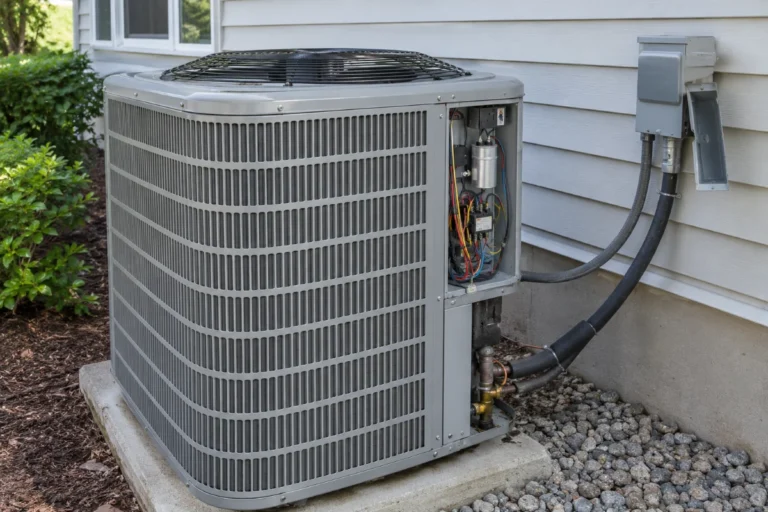
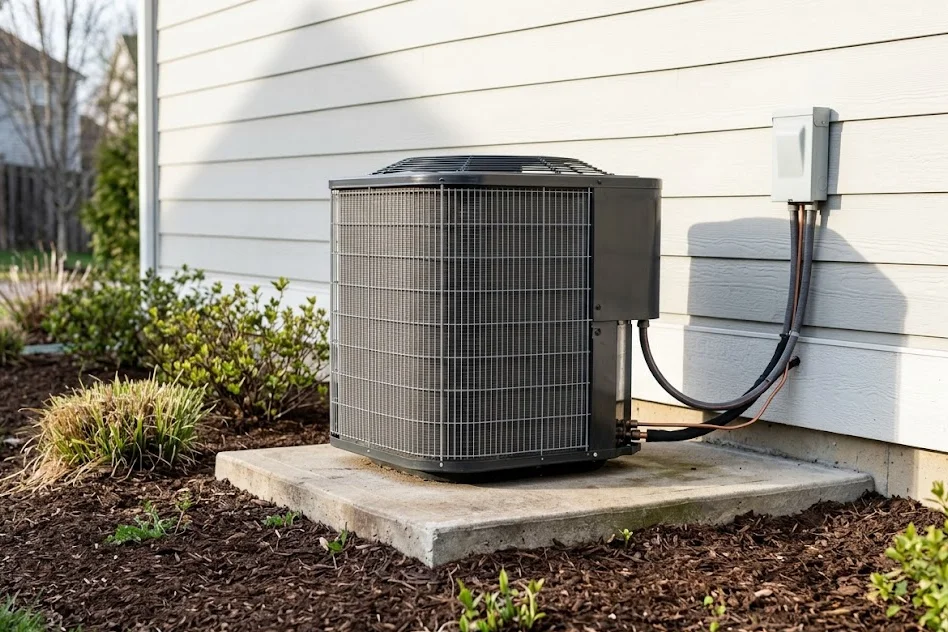
| Central air conditioner | Once a year, in spring | Every month or two in the cooling season |
| Gas or oil furnace | Once a year, in fall, before the heating season | Check monthly; change every 1 – 3 months |
| Heat pump (heats and cools) | At least once a year; many contractors advise spring and fall | Every 3 months, or as the maker says |
| Boiler | Once a year | — |
| Ductless mini-split | Once a year; twice if it heats and cools | — |
ENERGY STAR’s reasoning for the timing is practical: contractors get busy once summer and winter arrive, so the cooling system is best checked in spring and the heating system in fall. It suggests tying the visits to the clock changes so you remember them (ENERGY STAR).
Heat pumps work year-round, which is why the advice splits. The Department of Energy says a professional should service a heat pump at least once a year (DOE), while HomeGuide recommends two visits, one before the cooling season and one before the heating season (HomeGuide, January 2025). Fixr gives the same twice-a-year advice for any system that both heats and cools, including ductless mini-splits, and notes that this doubles the yearly cost (Fixr).
Not everyone in the trade agrees on gas heat. A contractor quoted by Today’s Homeowner (September 2025) says every two years is probably enough for natural gas or propane heaters, and once a year for oil. The federal safety agencies are stricter: the CDC and the Consumer Product Safety Commission both say to have the heating system serviced every year, and the EPA recommends that a fuel-burning furnace, stove or fireplace be inspected and serviced before each heating season to protect against carbon monoxide poisoning.
What one tune-up costs
| Equipment | HomeGuide | Fixr | This Old House |
|---|---|---|---|
| Central air conditioner | $70 – $200 | $70 – $200 | $70 – $200 |
| Furnace | $70 – $200 | $70 – $300 | $70 – $200 |
| Heat pump, per visit | $70 – $200 | $75 – $150 | $75 – $150 |
| Furnace plus central AC (split system) | — | $200 – $600 | $200 – $300 |
| Ductless mini-split | $100 – $400 a year (older guide, September 2023) | $300 – $550 | $300 – $550 |
The three guides agree closely on a single-system visit. The main outlier is inside HomeGuide itself: its furnace repair guide prices a furnace tune-up and inspection at $70 to $200, but its HVAC inspection guide quotes $150 to $500 for a furnace tune-up (HomeGuide). HomeGuide notes that gas-fired heaters have more parts to inspect and need more safety checks than electric furnaces. Fixr’s national average for a one-off HVAC maintenance visit is $275, within a $150 to $350 typical range (Fixr), and Today’s Homeowner puts a single appointment at $100 to $350 (Today’s Homeowner).
Mini-splits cost more to service because each indoor unit needs its own cleaning and the long refrigerant lines add leak risk (Fixr). A heat pump tune-up takes 1 to 1.5 hours on average (HomeGuide). Most technicians charge a flat rate for a tune-up, though hourly labor runs $75 to $150 (Fixr; This Old House).
Our estimate: a home with a furnace and a central air conditioner serviced separately, once each, pays about $140 to $500 a year (the lowest AC price plus the lowest furnace price in the three guides, up to the highest AC price plus the highest furnace price). A heat pump serviced twice pays about $140 to $400 (two visits at $70 to $200). These are our own sums of the table above, not measured figures.
Estimate your yearly HVAC maintenance cost
Our estimate: the published ranges above multiplied out for your inputs. Not a quote. Ranges from HomeGuide (January 2025 to December 2025), Fixr (January 2026), This Old House (June 2026) and Forbes Home (boilers, May 2024). Each range runs from the lowest to the highest figure in the tables on this page. State adjustment: BLS construction wages (May 2025), applied to an assumed 50% labor share. How we calculate
Our estimate: the calculator ranges combine the guides by taking the lowest low and the highest high of the sources in each table: furnace $70 to $300 (leaving out HomeGuide’s separate $150 to $500 figure), heat pump $70 to $200, mini-split $300 to $550 (the two 2026 guides only), boiler $150 to $500, maintenance plan $75 to $500, drain line flush $75 to $250 and duct cleaning $250 to $1,000. Coil cleaning uses Fixr and This Old House ($50 to $350), because HomeGuide prices each coil separately. Filters use Fixr’s $10 to $50 per filter. The result is a planning range, not a quote.
Boiler service cost
| Service | HomeGuide | Fixr | Forbes Home |
|---|---|---|---|
| Yearly tune-up and inspection | $200 – $500 (annual service) | $200 – $500 | $150 – $500 |
| Inspection only | $70 – $125 | — | $100 – $300 |
| Cleaning | $150 – $350 | — | $150 – $450 |
| Flushing or descaling | $150 – $600 | — | $200 – $600 |
| Service call fee | $75 – $200 | — | $50 – $200 |
Fuel type moves the price. HomeGuide puts gas boiler service at $100 to $400, oil at $150 to $500 and electric at $150 to $450, and notes that electric boilers have no fuel leaks to worry about and no air filters, fans or vents to clean (HomeGuide). Fixr recommends an inspection and tune-up once a year and warns that a boiler that has gone years without service costs more to fix, partly because of the extra cleaning (Fixr).
The Department of Energy lists different jobs for each kind of boiler. For hot water systems: test the pressure-relief valve and high-limit control, check that the pressure tank is filled with air rather than water, and clean the heat exchanger. For steam systems: drain some water to remove sediment, test the low-water cutoff and high-limit safety controls, and treat the boiler water as needed against deposits and corrosion (DOE).
Annual maintenance plans
| Source | Plan price per year | Notes |
|---|---|---|
| Fixr | $150 – $500 | Some plans include a tune-up; some only discount it |
| HomeGuide | $120 – $360 (heat pump); $150 – $450 (furnace); $150 – $500 (furnace, newer guide) | Usually one or two tune-ups, priority service and 5% – 15% off repairs |
| This Old House | $75 – $150 (one visit); $150 – $300 (two visits) | Priority scheduling, reduced fees, repair discounts |
| Today’s Homeowner | Average $220 (AC, or gas heat or heat pump); $290 (oil heat); $390 (heating and AC) | Up to $500 for multi-visit contracts |
A plan does not include repairs. The technician finds the problems and quotes them, and the plan gives you a discount, priority scheduling or waived service fees (Fixr). HomeGuide’s view is that a plan is often worth it once the system is out of warranty (HomeGuide). Fixr adds that for an older system likely to need repairs, the savings on service calls, which run $70 to $200 each, can exceed the cost of the contract.
Our estimate: across the four guides, plans run from about $75 to $500 a year (lowest low to highest high). A plan with two visits costs about the same as paying for a spring and a fall tune-up separately ($140 to $400 at $70 to $200 each), so the value is in the extras: repair discounts and priority service. This comparison is ours, not a measured figure.
Before signing, check what you already have. Today’s Homeowner points out that your existing equipment warranty may already cover some maintenance, and that a home warranty plan may include a tune-up (Today’s Homeowner). The Federal Trade Commission notes that a service contract is not a warranty: it costs extra and may cover the same repairs over the same period as the warranty that came with the product (FTC, July 2023).
What a tune-up includes
ENERGY STAR’s maintenance checklist sets out what a typical check-up should cover (ENERGY STAR):
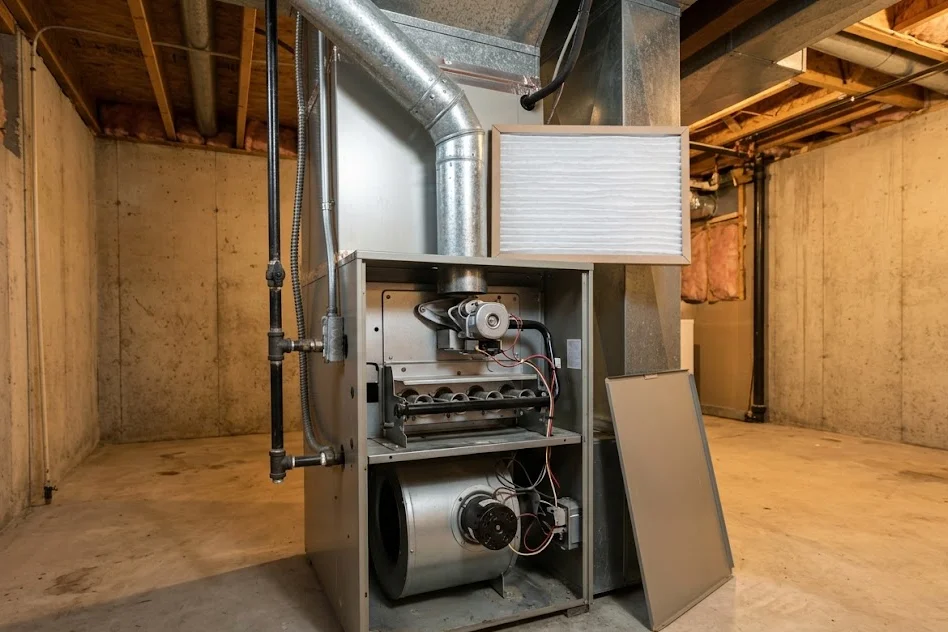
- Every visit: check thermostat settings; tighten electrical connections and measure voltage and current on motors; lubricate moving parts; inspect the condensate drain; and check the system’s controls and starting cycle.
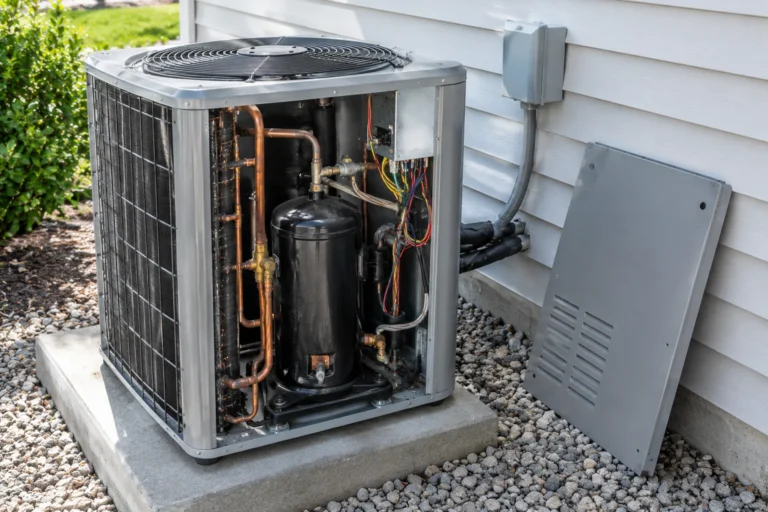
- Cooling: clean the evaporator and condenser coils; check the refrigerant level and adjust it if necessary; clean and adjust the blower for proper airflow.
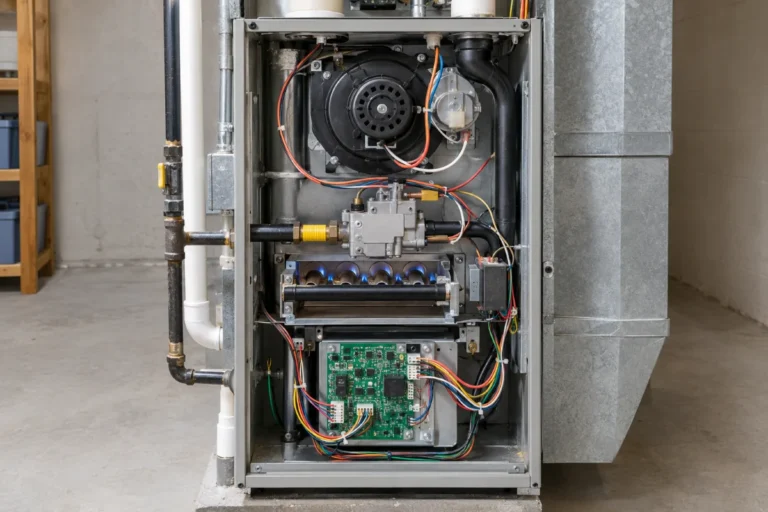
- Heating: check all gas or oil connections, gas pressure, burner combustion and the heat exchanger. ENERGY STAR warns that faulty gas or oil connections are a fire hazard, and that a dirty burner or cracked heat exchanger makes the equipment run less safely and efficiently.
For forced-air furnaces, the Department of Energy adds checking the combustion chamber for cracks, testing for carbon monoxide, cleaning and oiling the blower, checking fuel input and flame, and sealing the connections between the furnace and the main ducts (DOE). For heat pumps, its list includes measuring airflow and refrigerant charge, checking for refrigerant leaks, and verifying that heating and cooling cannot run at the same time (DOE).
Know what is not included. Maintenance plans and tune-ups typically do not include repairs, and duct cleaning, duct sealing and major part replacements are billed separately and quoted in advance (Fixr). HomeGuide’s older AC guide (September 2023) also leaves out parts and refrigerant, and notes that an air conditioner never needs more refrigerant unless it has a leak, so a recharge points to a repair, not maintenance (HomeGuide).
Air filters: the job you do yourself
The air filter is the main job ENERGY STAR leaves to the homeowner. It says to inspect, clean or change the filters in a central air conditioner, furnace or heat pump once a month, because a dirty filter raises energy costs and can damage the equipment, leading to early failure (ENERGY STAR). The Department of Energy says to follow the maker’s or contractor’s guidance, and if unsure, to clean or replace an air conditioner’s filters every month or two during the cooling season, more often with constant use, dusty conditions or pets (DOE). For heat pumps, it says every 3 months or as the manufacturer or installer recommends (DOE).
| Filter cost | HomeGuide | Fixr | Today’s Homeowner |
|---|---|---|---|
| Filter only | $10 – $70+ each | $10 – $50 each | $2 – $50 (filter cleaning) |
| Filter replaced by a technician | $100 – $175 | — | — |
The Department of Energy also lists a few other owner tasks: keep the area around the outdoor unit clear and trim plants back at least two feet; with the fan power off, clear vegetation, dust and clutter from a heat pump’s outdoor coil whenever it looks dirty; and clean the supply and return registers. Do not cover a heat pump’s outdoor unit in winter, because the cover stops it from heating the home (DOE; DOE).
Extra services that show up on the bill
| Service | HomeGuide | Fixr | This Old House |
|---|---|---|---|
| Service call or diagnostic fee | $75 – $200 | $70 – $200 | — |
| Condensate drain line flush | $75 – $250 | $75 – $200 | $75 – $200 |
| Coil cleaning | $75 – $230 (condenser); $100 – $700 (evaporator) | $100 – $350 | $50 – $350 |
| Refrigerant recharge | $100 – $600 | $100 – $600 | $100 – $500 |
| Hourly labor | $75 – $150 | $75 – $150 | $75 – $150 |
Some of these are routine and some are warning signs. A plugged condensate drain can cause water damage and affect indoor humidity, which is why ENERGY STAR includes the drain in every check-up, and dirty coils make the system run longer, raising energy costs and shortening its life (ENERGY STAR). Emergency service after hours costs more: $140 to $210 an hour for furnaces (HomeGuide).
Duct cleaning: when the EPA says it is worth it
| Source | Whole-house duct cleaning |
|---|---|
| HomeGuide | $450 – $1,000 ($25 – $50 per supply vent) |
| Fixr | $300 – $700 (average $500 for 2,000 sq ft) |
| This Old House | $250 – $1,000 |
| EPA | $450 – $1,000 per system, typically but not always |
Duct cleaning is not part of a yearly tune-up, and the EPA does not recommend doing it routinely, only as needed. The agency says duct cleaning has never been shown to prevent health problems, and that there is little evidence that cleaning only the ducts improves system efficiency, although cleaning components such as coils, fans and heat exchangers may (EPA).
The EPA lists three situations in which cleaning is worth considering: substantial visible mold inside hard ducts or on other parts of the system, ducts infested with rodents or insects, and ducts so clogged that dust and debris blow out of the supply registers. Whatever caused the problem has to be fixed first or it will come back, and duct insulation that has become wet or moldy cannot be cleaned and should be replaced (EPA). If ducts need replacing rather than cleaning, our guide to ductwork replacement cost covers that job.
Gas furnaces, boilers and carbon monoxide
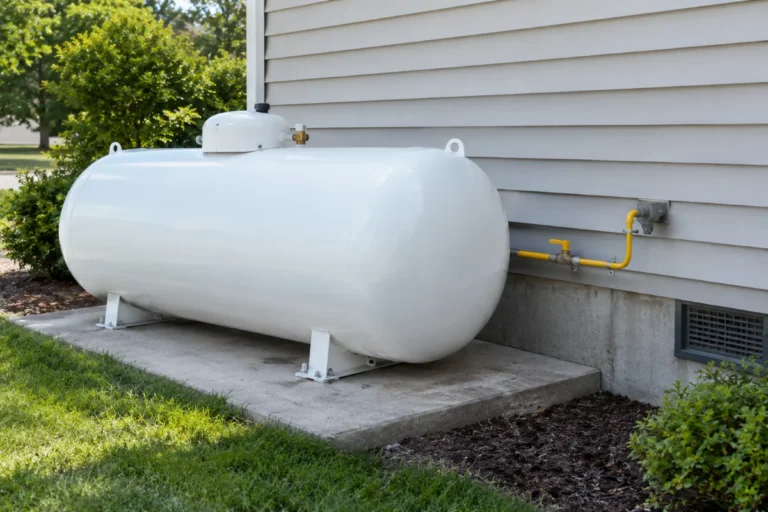
For fuel-burning equipment, the yearly visit is a safety check as much as an efficiency one. Carbon monoxide is an odorless, colorless gas, and gas- and oil-burning furnaces are among the household sources that produce it. Each year more than 400 Americans die from unintentional carbon monoxide poisoning not linked to fires, more than 100,000 visit an emergency department and more than 14,000 are hospitalized (CDC, January 2026).
A cracked furnace heat exchanger mixes combustion gases with the house air, which the Department of Energy calls an important safety reason to have it inspected; boiler heat exchangers leak water instead, which is easier to spot (DOE). The CPSC says the yearly inspection should also check chimneys and flues for blockages, corrosion and loose or disconnected sections (CPSC), and the CDC recommends having the chimney checked or cleaned every year (CDC); we price that job in our guide to chimney sweep cost.
- Install battery-operated or battery-backup carbon monoxide alarms on every level of the home and outside sleeping areas; interconnected alarms are best (CPSC).
- Check the alarm batteries when the clocks change in spring and fall, and replace the alarm as the maker says or every 5 years (CDC).
- Headache, dizziness, weakness, nausea, vomiting and confusion are the common symptoms. If you suspect carbon monoxide poisoning, get outside to fresh air immediately and then call 911 (CPSC).
- If you smell gases from a furnace or boiler vent, the Department of Energy says to contact your utility or heating contractor to have the venting repaired immediately (DOE).
Maintenance and your equipment warranty
Skipping service can cost you the warranty. Many manufacturers require yearly maintenance to keep warranty coverage on a furnace (HomeGuide, December 2025), Fixr says proof of regular maintenance is required in many cases to keep manufacturer warranties valid (Fixr), and it notes the same for boilers (Fixr). Requirements differ by manufacturer, so read the terms that came with your equipment.
A requirement to maintain the system is not a requirement to use the seller’s own technicians. Under federal law, a manufacturer cannot require you to use specific parts or services to keep warranty coverage unless it provides them for free or gets a waiver from the FTC. The FTC also advises asking whether a warranty covers only problems that happen after the product is maintained according to the directions (FTC, July 2023). Keeping the invoice from every visit is the simplest way to show the maintenance was done.
What skipping maintenance can cost
The Department of Energy puts a number on neglect for heat pumps: the difference in energy use between a well-maintained heat pump and a severely neglected one ranges from 10% to 25% (DOE). ENERGY STAR says airflow problems alone can cut a system’s efficiency by up to 15 percent, and that too much or too little refrigerant raises energy costs and shortens the equipment’s life (ENERGY STAR). For air conditioners, the DOE says neglected maintenance leads to declining performance and higher energy use, and that dirt bypassing a clogged filter collects on the evaporator coil and can make the system fail early (DOE).
Our estimate: for every $1,000 a year a heat pump costs to run, DOE’s 10% to 25% gap works out to $100 to $250 a year, which is in the range of one or two tune-ups ($70 to $200 each). This is our illustration using a round number, not a measured saving; your bill and your system’s condition decide the real figure.
Repairs are the other cost. Minor heat pump repairs run $150 to $650 and major ones $650 to $2,500 or more (HomeGuide). When a system is near the end of its life, our guides to HVAC replacement cost, furnace replacement cost, AC unit replacement cost, heat pump installation cost and mini split installation cost show what the next step costs.
How to keep the bill down
- Book the cooling check-up in spring and the heating check-up in fall, before contractors get busy (ENERGY STAR). Fixr adds that late winter or early spring bookings can sometimes come with lower prices or discounts (Fixr).
- Change or clean filters yourself on schedule; a filter bought on its own costs $10 to $50 (Fixr), against $100 to $175 for a technician to replace it (HomeGuide).
- Do not wait years between visits. A system that has not been serviced in a while can cost more to tune up because the extra dirt takes longer to clean (HomeGuide).
- Compare the price of a maintenance plan with two single visits, and buy it for the repair discounts and priority service if your system is older or out of warranty.
- Skip routine duct cleaning; the EPA recommends it only when there is visible mold, pests or debris blowing out of the registers (EPA).
- Get quotes from at least three HVAC companies and ask each for a written checklist of what the tune-up covers (Fixr; HomeGuide).
Questions to ask before you sign
- Can you give me a written checklist of everything the tune-up includes, and does it cover every item on the ENERGY STAR maintenance checklist?
- For my gas or oil equipment, will you inspect the heat exchanger, test for carbon monoxide and check the flue and chimney?
- Is the price a flat rate, and what will you charge if you find a problem: a diagnostic fee, an hourly rate or a quoted repair price?
- Does the maintenance plan include one or two visits a year, and what discount does it give on parts and repairs?
- Will you give me a dated invoice listing the work, so I can show the manufacturer the system was maintained?
- If you recommend duct cleaning or a refrigerant recharge, can you show me the mold, debris or leak that makes it necessary?
The last question follows the EPA’s advice to ask a service provider to show you any mold they say exists (EPA) and the point that an air conditioner only needs refrigerant when it leaks (HomeGuide).
Sources
- ENERGY STAR, Maintenance Checklist.
- U.S. Department of Energy, Energy Saver: Air Conditioner Maintenance (archived copy of June 14, 2026), Operating and Maintaining Your Heat Pump (archived May 29, 2026) and Furnaces and Boilers (archived May 31, 2026). These pages have been removed from energy.gov; the links are archived copies.
- U.S. Environmental Protection Agency, Should You Have the Air Ducts in Your Home Cleaned? (EPA 402-K-97-002, October 1997).
- Centers for Disease Control and Prevention, Carbon Monoxide Poisoning Basics, January 12, 2026.
- U.S. Consumer Product Safety Commission, Carbon Monoxide Information Center and Carbon Monoxide Questions and Answers.
- Federal Trade Commission, Warranties, July 2023.
- HomeGuide: HVAC Inspection Cost, July 2025; Furnace Repair Cost, August 2025; Heat Pump Maintenance or Repair Cost, January 2025; Furnace Replacement Cost, December 2025; Boiler Service Cost, July 2025; Air Duct Cleaning Cost, October 2025; AC Tune-Up, Service and Maintenance Costs, September 2023 (older guide).
- Fixr: How Much Does HVAC Maintenance Cost?, January 30, 2026; Cost to Service and Repair a Boiler, January 26, 2026; Air Duct Cleaning Cost, January 29, 2026.
- This Old House, What Does HVAC Maintenance Cost?, updated June 5, 2026.
- Today’s Homeowner, How Much Does HVAC Maintenance Cost?, updated September 3, 2025.
- Forbes Home, Average Boiler Service and Repair Cost, May 2024 (older guide).