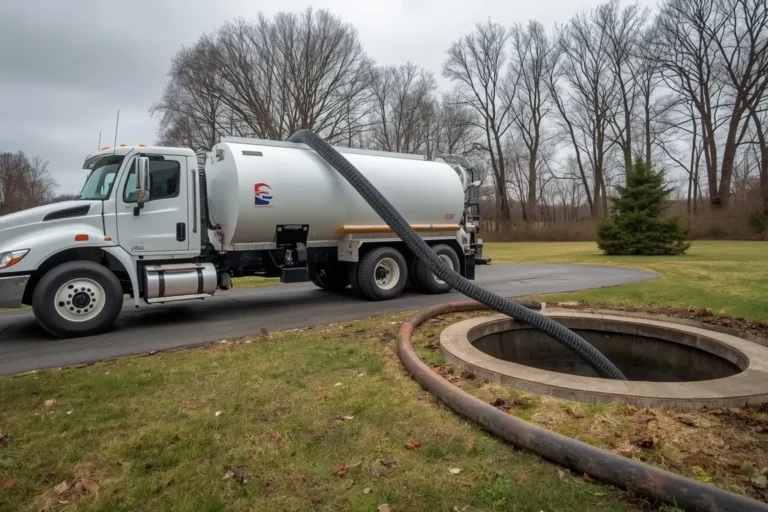
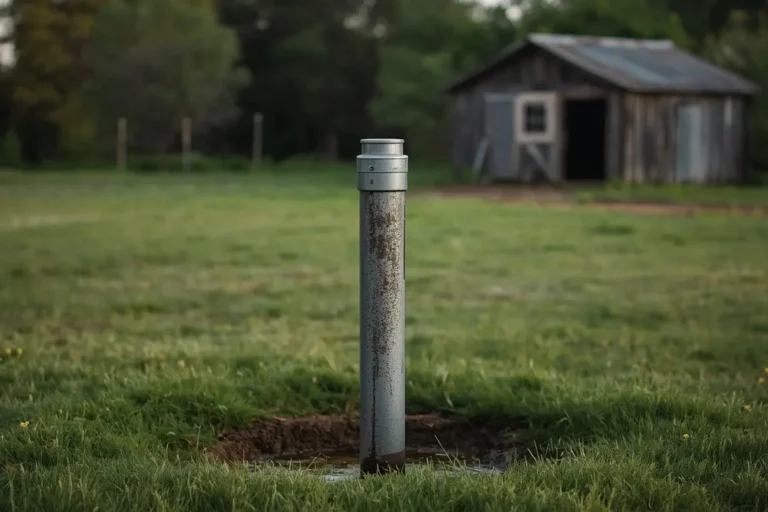
$3,000 – $9,000That is the typical septic tank replacement cost in 2026 for a conventional system with a 1,000-gallon tank, including the tank, labor, permits and inspections, across three published cost guides. If the drain field has failed too, replacing the tank and the field together runs $4,500 to $20,000, and an engineered system such as a mound or aerobic unit can pass $50,000 in the highest estimates.
The tank itself is rarely the expensive part. What drives the bill is whether the drain field can be kept, what your soil allows, and what your local health department will permit. The EPA puts the cost of repairing or replacing a malfunctioning conventional system at “between $5,000 and $15,000”, and warns that alternative systems “can cost even more.” The tables below break the job into its parts so you can read a quote line by line.
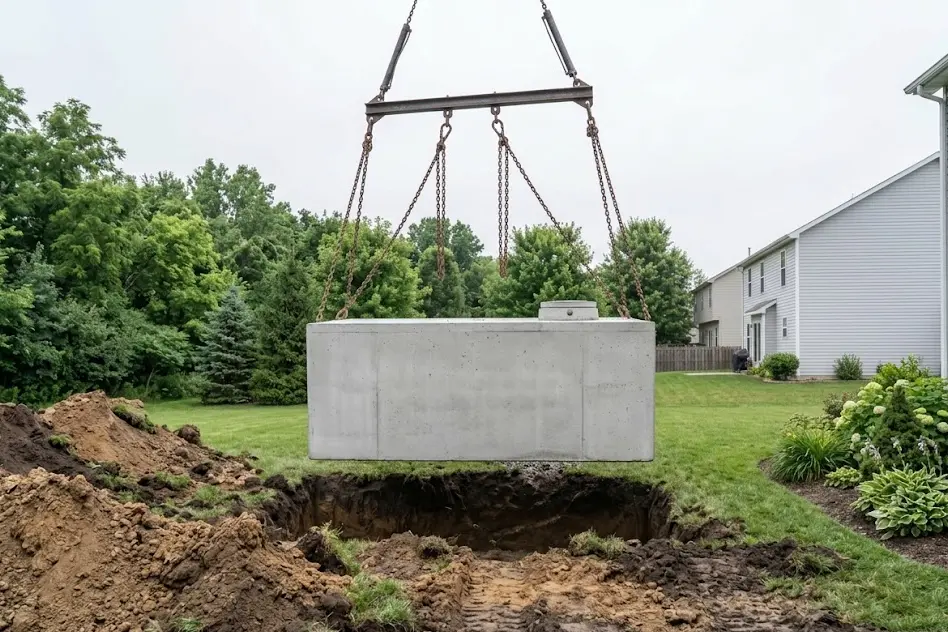
What a conventional tank replacement includes
| Line item | Typical cost |
|---|---|
| Septic tank (1,000 gal) | $1,000 – $1,500 |
| Distribution box | $500 – $1,000 |
| Labor for site prep and installation | $1,000 – $4,500 |
| Engineering, permits and inspections | $1,000 – $1,500 |
| Total | $3,500 – $8,500 |
The other two guides land in the same place. The table below compares their totals for a conventional (anaerobic) system.
| Source | Conventional system, installed | Average |
|---|---|---|
| HomeGuide (Sep 2025) | $3,500 – $8,500 | — |
| Fixr (Jan 2025) | $4,500 – $9,000 | $6,100 |
| This Old House (Mar 2026) | $3,000 – $8,000 | $7,500 (all installations) |
Our estimate: the $3,000 to $9,000 headline range runs from the lowest low (This Old House, $3,000) to the highest high (Fixr, $9,000) of the three guides above. It is a combined range, not a measured figure, and the three guides agree closely on this job.
Labor is a large share of the bill. HomeGuide puts installation labor at $1,500 to $4,000, rising with system size, heavy clay soil, pumped systems and remote sites that need heavy equipment hauled in (HomeGuide); This Old House gives the same $1,500 to $4,000 and says labor typically accounts for 50% to 70% of the total cost (This Old House). Excavation alone runs $100 to $300 per hour for an excavator and operator (HomeGuide), and Fixr puts a septic specialist at $125 to $175 per hour (Fixr).
Estimate your septic replacement cost
Use the tables above to estimate your cost. The interactive calculator needs JavaScript.
Septic tank cost by size
Tanks are sized by the number of bedrooms, not bathrooms, because two people per bedroom is a good indicator of how much wastewater the house produces (HomeGuide). Your local code sets the minimum, so a replacement tank may have to be larger than the one it replaces.
| Tank size | HomeGuide | Fixr | This Old House | Typical home (HomeGuide) |
|---|---|---|---|---|
| 750 gallons | $700 – $1,200 | $720 – $1,200 | $700 – $1,200 | 1–2 bedrooms |
| 1,000 gallons | $1,000 – $1,500 | $800 – $2,000 | $900 – $1,500 | 3 bedrooms |
| 1,200–1,250 gallons* | $1,200 – $1,800 | $1,200 – $2,000 | $1,200 – $1,600 | 4 bedrooms |
| 1,500 gallons | $1,500 – $2,500 | $1,300 – $2,500 | $1,500 – $2,500 | 5 bedrooms |
| 1,750 gallons | $2,000 – $3,000 | — | — | 6+ bedrooms |
Concrete, plastic or fiberglass tank
| Material | HomeGuide | Fixr | This Old House |
|---|---|---|---|
| Concrete | $1,000 – $3,000 | $800 – $1,250 | $700 – $2,000 |
| Plastic (polyethylene) | $700 – $2,500 | $830 – $1,400 | $500 – $2,500 |
| Fiberglass | $1,400 – $2,000 | $1,600 – $2,000 | $1,200 – $2,000 |
Concrete is the most common material and its weight keeps it in place where groundwater is close to the surface. Plastic and fiberglass tanks are easier to deliver to a tight backyard, but a light tank in a high water table can be pushed upward, and concrete can crack. Fiberglass is stronger than plastic and watertight but can also shift near the water table. Steel tanks are no longer installed because of their price and short life (HomeGuide). A well-maintained concrete tank lasts 20 to 30 years, depending on build quality, soil and how many people use it.
Tank only or the whole system?
A septic system has two working parts. The EPA describes the tank as a buried, watertight tank where heavy solids settle and grease floats, while the liquid moves on to the drainfield for further treatment and dispersal in the soil (EPA). A cracked tank or broken baffle can be fixed or swapped on its own. A clogged, saturated drain field cannot be fixed by a new tank, and that is where the bill grows.
| Scope of work | HomeGuide | Fixr |
|---|---|---|
| Septic tank repair | $600 – $3,000 | Baffle $300 – $900; lid $150 – $500; filter $200 – $300 |
| Drain field repair or rejuvenation | $1,000 – $5,000 | $2,000 – $10,000 |
| Drain field replacement | $3,000 – $15,000 | $2,000 – $20,000 |
| New tank and new drain field | $4,500 – $20,000 | — |
| Moving the drain field to a new spot | $5,500 – $21,500 | — |
The EPA notes that a tank left full of solids can let them migrate out and clog the drainfield, which “may require replacing the entire drainfield” (EPA). Ask for the field to be evaluated before you agree to a tank-only job.
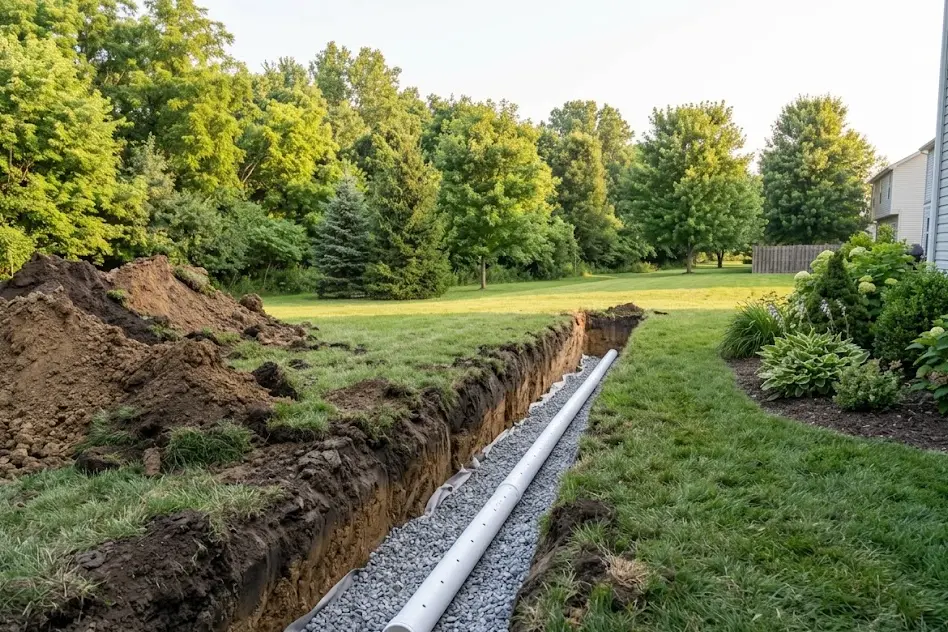
Drain field replacement cost by type
| Drain field type | Replacement cost |
|---|---|
| Anaerobic (conventional trenches) | $2,000 – $6,000 |
| Aerobic | $7,000 – $10,000 |
| Evapotranspiration | $8,000 – $15,000 |
| Mound | $10,000 – $20,000 |
| New drain field, any type (Fixr) | $3,500 – $11,000 |
Replacing leach lines alone costs $20 to $45 per linear foot. Labor typically makes up 60% or more of the cost of a new field, and the tank has to be pumped ($300 to $700) as part of the job. A replacement takes 3 to 7 days on average, plus about 2 days if a new percolation test is needed, and a properly built field lasts 20 to 25 years (HomeGuide).
Mound, aerobic and other alternative systems
If the soil at your site has changed rules since the original system went in, or the old field area can no longer be used, the replacement may have to be an alternative or engineered design. These cost far more than a conventional system.
| System | HomeGuide (installed) | This Old House | Fixr (materials only) |
|---|---|---|---|
| Chamber system | $4,000 – $11,000 | $5,000 – $12,000 | $3,500 – $10,000 |
| Drip distribution | $6,500 – $15,000 | $8,000 – $18,000 | $4,000 – $10,000 |
| Constructed wetland | $7,000 – $14,000 | $5,000 – $12,000 | $6,000 – $10,000 |
| Evapotranspiration | $10,000 – $15,000 | $10,000 – $15,000 | $10,000 – $15,000 |
| Recirculating sand filter | $15,000 – $25,000+ | $7,000 – $18,000 | $6,000 – $10,000 |
| Aerobic treatment unit (ATU) | $20,000 – $40,000+ | $10,000 – $20,000 | $10,000 – $20,000 |
| Mound system | $25,000 – $50,000+ | $10,000 – $20,000 | $10,000 – $20,000 |
The guides disagree sharply here. For mound systems and aerobic units, HomeGuide’s range starts at about twice the top of the other two: $25,000 to $50,000+ for a mound against $10,000 to $20,000 at This Old House and Fixr. Engineered systems depend heavily on site and local rules, so treat these tables as a rough bracket and rely on written quotes.
According to the EPA, mound systems are an option where soil is shallow, groundwater is high or bedrock is near the surface; effluent is pumped in doses to a trench inside a constructed sand mound, and the system needs a substantial amount of space and periodic maintenance. Aerobic treatment units inject oxygen into the treatment tank and suit small lots, poor soil, high water tables or homes near sensitive water, but “regular life-time maintenance should be expected” (EPA). Chamber systems replace the gravel trench with connected chambers and are easier to deliver and build, and evapotranspiration systems only work in arid climates with enough heat and sunlight.
Alternative systems also cost more to keep running. The EPA says those with float switches, pumps or other mechanical parts should generally be inspected once a year, and that a service contract is important (EPA). In some Florida counties, aerobic treatment units also need an operating permit (Florida Department of Health).
Perc test, permits and site restoration
Septic work is permitted and inspected locally. In Florida, for example, the county health department handles septic permitting and inspections outside the 16 counties now run by the state Department of Environmental Protection (Florida Department of Health). In Pennsylvania, major repairs need state permits obtained through the local Sewage Enforcement Officer (Penn State Extension). Call your county health or environmental office before you collect quotes.
| Item | HomeGuide | This Old House |
|---|---|---|
| Septic tank building permit | $250 – $450 | $450 – $2,300 (one septic permit, varies by jurisdiction) |
| Drain field permit | $250 – $650 | — |
| Leach field abandonment permit | $100 – $250 | — |
| Soil test | $250 – $700 | — |
| Percolation test | up to $2,000 (deep-hole test by an engineer) | $700 – $2,000 |
| Land leveling | $500 – $5,000 | — |
| Sod over the finished field | $1 – $2 per sq ft | — |
Our estimate: adding HomeGuide’s ranges for a tank permit ($250–$450), a drain field permit ($250–$650) and a soil test ($250–$700) gives about $750 to $1,800 in paperwork and testing before any digging, when the field is replaced along with the tank. This is our own sum, not a measured figure; your county’s fee schedule is what counts.
If the field is moved, the old one usually has to be abandoned under local rules: either the lines are left in place and covered with hydrated lime, topsoil and vegetation, or removed to a licensed landfill and the pit filled and graded. Digging out an old field costs $1 to $5 per square foot, and filling and regrading $0.40 to $2.00 per square foot (HomeGuide).
Signs your septic system needs replacing
- Slow drains, gurgling toilets or sewage backing up into the house.
- Sewage odors in the yard, or sewage pooling over the tank or drain field.
- Standing water or unusually bright green grass over the field.
- A sunken area over the tank or field.
- A tank that needs pumping more and more often, or drainage problems every time it rains.
These signs are listed by HomeGuide. Many of them point to the drain field rather than the tank, which is why an inspection ($150 to $450) is worth paying for before you accept a replacement quote. Never go into a septic tank yourself: Penn State Extension warns that the gases inside can kill you (Penn State Extension).
Help paying for a new septic system
USDA Rural Development’s Section 504 Home Repair program lends up to $40,000 at a fixed 1% over 20 years to low- and very-low-income homeowners in eligible rural areas, and offers grants of up to $10,000 to very-low-income homeowners aged 62 or older to remove health and safety hazards (USDA Rural Development). Some states run their own programs: Penn State Extension lists a low-interest homeowner septic loan in Pennsylvania, and suggests checking county housing authorities for local funds (Penn State Extension).
How to keep the bill down
- Get the drain field evaluated first. Replacing only the tank when the tank is the problem costs a fraction of a full system.
- Ask whether the field can be repaired or rejuvenated ($1,000 to $5,000) instead of replaced ($3,000 to $15,000).
- Keep the replacement system working longer: the EPA advises inspection at least every three years and pumping every three to five years, and puts routine maintenance fees at $250 to $500 every three to five years (EPA).
- Protect the new field: do not park or drive on it, keep trees at a safe distance and send roof drains and sump pumps elsewhere (EPA).
- Check USDA and state loan programs before signing if you live in a rural area.
Questions to ask before you sign
- Is the problem the tank, the drain field or both, and how did you determine that?
- What tank size and material do you recommend for my number of bedrooms and my water table?
- Does the quote include the permit, perc or soil test, pumping and removal of the old tank, and final inspection?
- Will my site need an alternative system under current rules, and what will it cost to maintain each year?
- Who restores the yard afterward, and is grading or sod included?
- Are you licensed for septic work in this county, and what warranty do you give on the installation?
Before you commit to replacement, routine service is far cheaper: see our septic tank pumping cost guide.
Sources
- U.S. Environmental Protection Agency, Why Maintain Your Septic System, Types of Septic Systems and How to Care for Your Septic System.
- USDA Rural Development, Single Family Housing Repair Loans & Grants.
- Florida Department of Health, Septic Systems.
- Penn State Extension, Managing Your On-Lot Septic System, updated October 2023, and Funding for Private Well and Septic System Repairs, updated October 2025.
- HomeGuide, Septic Tank System Cost, September 2025, and Leach or Drain Field Replacement Cost, December 2025.
- This Old House, How Much Does a Septic Tank Installation Cost?, updated March 12, 2026 (cost data based on Angi pricing estimates).
- Fixr, Septic System Installation Cost, updated January 31, 2025.